
 Select Language
 English
 Spanish
 Polish
 Japanese
 Italian
 French
How to Recycle Polystyrene?
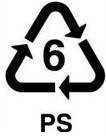
Polystyrene is widely used across multiple industries, especially in the form of EPS (Expanded Polystyrene). It is commonly applied in manufacturer packaging for furniture, home appliances, electronics, and fragile goods, providing strong cushioning and impact protection during transportation and storage. It is also used in construction insulation and protective packaging materials due to its lightweight and thermal resistance.
Polystyrene is technically fully recyclable, but its recycling efficiency depends on collection and processing systems. Because EPS is made of up to 98% air, it is bulky and difficult to transport in its loose form. In many regions, a significant portion of polystyrene waste still ends up in landfills due to high logistics costs and limited recycling infrastructure.
To improve recyclability, EPS waste is often compacted before transportation. Through densification, its volume can be reduced by up to 90:1, making storage and logistics much more efficient. With proper collection systems and recycling equipment, polystyrene from manufacturer packaging can be converted into reusable raw materials and reintegrated into new production cycles.
Polystyrene Foam Recycling Steps:
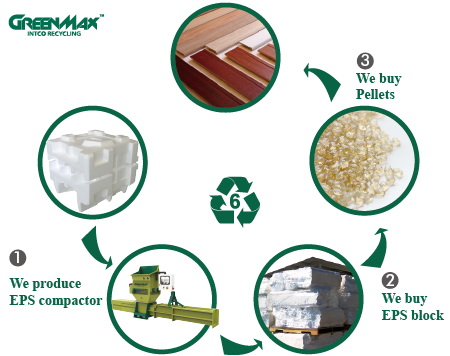
2. Volume reduction, via an EPS compactor
3. Ship to recycling company to do the pelletizing
4. Reuse to make new products like picture frames
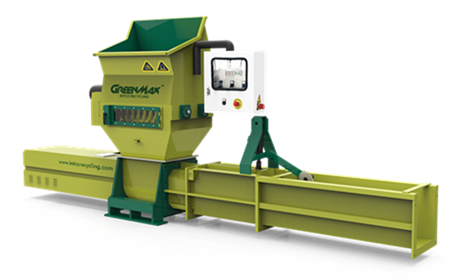
GREENMAX Foam Compactor for Compacting Polystyrene Foam
2. XPS/Extruded Polystyrene
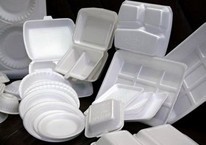
3. PSP/Polystyrene Paper (Food tray and Cups)
Polystyrene Recycling Case:
1. RAGN SELL2. The Brick
3. Polyrec
Polystyrene Recycling Solution:
All kinds of Polystyrene foam can be recycled and reused by different methods, but most Polystyrene products are currently not recycled due to the lack of incentive to invest in the compactors and logistical systems required. Generally, Polystyrene cannot be recycled curbside due to its low density, making it economically unfeasible to collect. As a result, manufacturers cannot obtain sufficient scrap, and Polystyrene foam recycling remains a business with great potential.
However, if the waste material goes through an initial compaction process, its density increases from typically 30 kg/m³ to 400 kg/m³, turning it into a recyclable commodity with high value for producers of recycled plastic pellets. Volume reduction techniques like compaction and densification significantly minimize the material's size, making it easier and more cost-effective to transport and process. Once compacted, the material can be transported to specialized recycling facilities where it undergoes further processing, such as pelletizing, to create high-quality recycled plastic pellets.
The pelletizing process involves converting the compacted Polystyrene material into uniform pellets, which can then be used by manufacturers to create new products. This process not only improves the recyclability of Polystyrene foam but also enhances its value, making it an important resource in the circular economy.
By using machines such as densifiers and pelletizers, which compress and convert the foam into pellets, we can reduce the size and volume of Polystyrene waste. This makes the recycling process more efficient, cost-effective, and environmentally friendly, contributing to a more sustainable future.
-
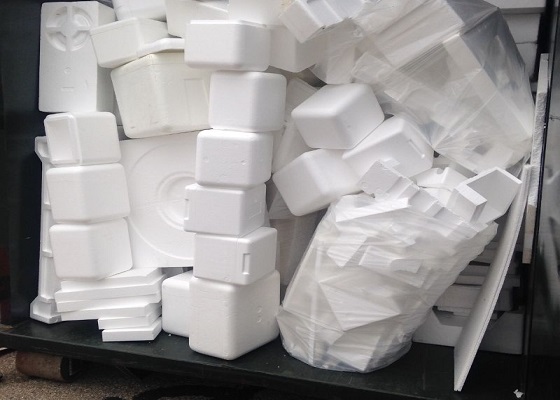
Styrofoam Recycling
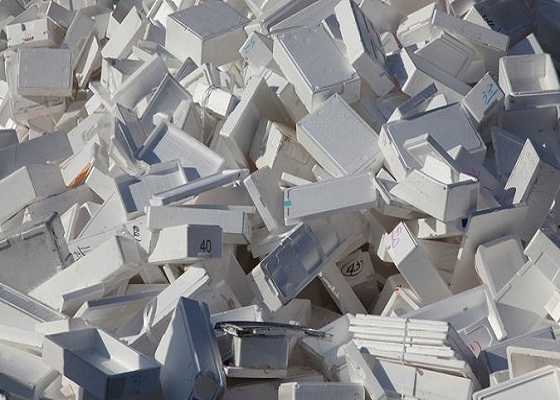
Styrofoam packaging, Styrofoam containers, and Styrofoam boxes are all recyclable.
-
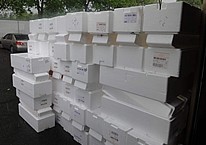
Polystyrene Recycling
GREENMAX can offer you professional Polystyrene recycling machine with high quality and simple operation
-
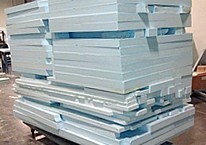
EPS Recycling
The Way Of EPS Recycling
-
XPS Recycling
The Way Of XPS Recycling
-
PSP Recycling
The Way Of PSP Recycling
-
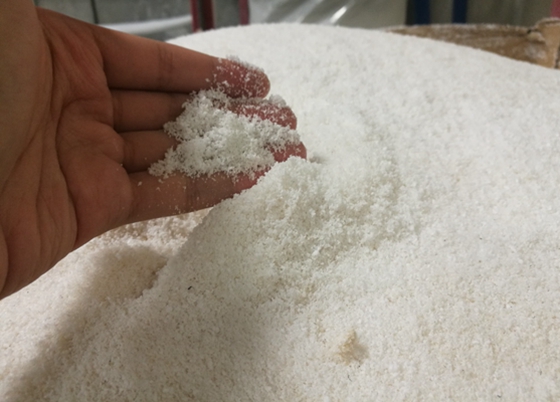
EPS Dust Recycling
EPS recycling machine processes EPS dust and foam scraps into dense ingots, supporting efficient EPS recycling.