 Select Language
 English
 Spanish
 Polish
 Japanese
 Italian
 French
GREENMAX Provides A Complete Plastic Film Washing Recycling Line for KIMURA in Japan
Good recycled pellets start with clean material. If collected plastic film still contains sand, soil or other plastics, even a reliable pelletizing machine may produce uneven results.
This was the problem facing KIMURA, a Japanese recycler with around 60 years of industry experience. To improve the quality of its recycled PE material, the company chose a GREENMAX LLDPE Plastic film washing line to strengthen the washing stage before pelletizing.
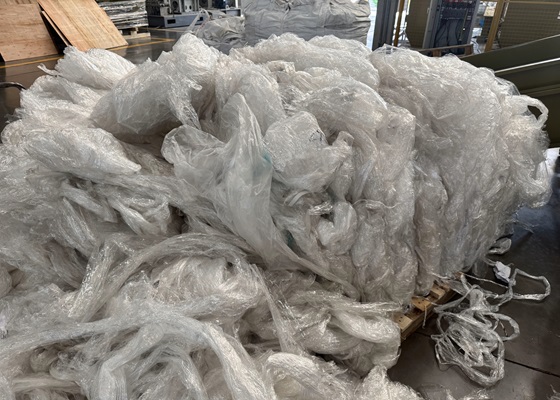
From Collection and Baling to Film Washing
KIMURA operates recycling facilities in Hokkaido, Chiba, Hyogo, Kyushu and Yamaguchi. Its business covers PET bottle bales, waste paper, plastic film and compacted foam blocks.
The cooperation between KIMURA and INTCO Recycling began around 2000. KIMURA currently supplies approximately 100–150 tons of EPS blocks per month to INTCO Recycling, and the two companies have worked together for more than two decades.
In the past, collected plastic film could be compressed or baled and sent overseas for further processing. As export requirements became stricter, this model became more difficult. Recyclers in Japan increasingly needed to sort, wash and process the material locally. KIMURA began producing recycled pellets from collected film later. Some were sold within Japan, while others were supplied to INTCO Recycling for use in recycled products.
Plastic Film Washing Became the Key Issue
The quality of KIMURA’s incoming film was not always consistent. Depending on where it was collected, the material could contain sand, soil, mixed plastics and other contaminants. These impurities affected the recycled pellets and made it harder to maintain stable quality between batches.
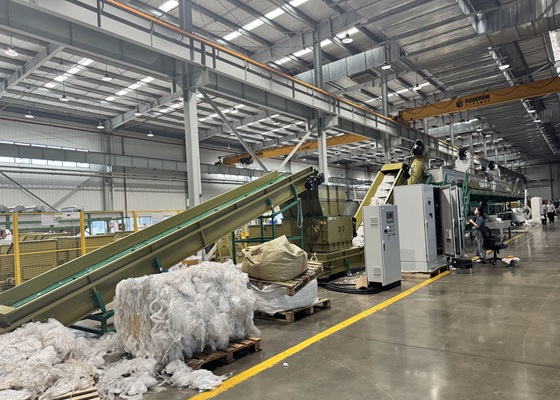
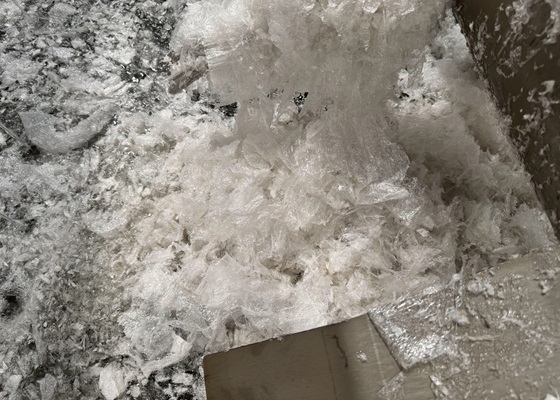
Improving the pelletizing stage alone would not solve the problem. The film first needed to be shredded, sorted and washed so that cleaner material could enter the pelletizing machine. For this project, washing was not simply about making the film look cleaner. It was about reducing contamination before pelletizing and creating a more consistent PE feedstock.
KIMURA Selected GREENMAX Plastic Film Washing Line
GREENMAX and INTCO Recycling have experience in both recycling equipment and recycled-material use. This helped the project team evaluate the washing line based on the quality required at the end of the process, rather than focusing only on machine capacity.
KIMURA reviewed the proposed washing process and each part of the equipment configuration. Drawing on its own recycling experience, the company also provided detailed feedback about the collected film and its production requirements. After several months of evaluation, KIMURA selected a GREENMAX LLDPE film washing line designed around the condition of its material and its downstream pelletizing process.
Not every film washing project needs the same setup. Relatively clean commercial film is different from material containing heavy soil or mixed plastics. The source of the waste, contamination level and required pellet quality all affect how the line should be configured.
Preparing More Consistent Material for Plastic Film Pelletizing
Before shipment to Japan, the complete washing line was assembled, tested and inspected at the INTCO factory. The new system will help KIMURA remove more contamination from collected PE film before pelletizing. With cleaner and more consistent feedstock, the company can better control the quality of its recycled pellets.
KIMURA’s experience also shows why washing should not be treated as a separate or secondary step. When pellet quality changes from batch to batch, the cause may be the condition of the incoming film rather than the pelletizing machine itself.
For recyclers facing similar problems, a suitable plastic film washing line can improve the material before it reaches the final processing stage and make recycled PE production easier to manage.
FAQ
1. Why do recycled PE pellets have inconsistent quality?
The incoming film may contain different levels of sand, soil, labels or mixed plastics. Better sorting and washing can provide cleaner, more stable material for pelletizing.
2. Can all LLDPE film use the same washing line configuration?
No. The equipment should be configured according to the film source, contamination level, processing capacity and required pellet quality.
3. Can a film washing line remove mixed plastics?
A washing line can remove dirt and some impurities, but different plastic types should be sorted as early as possible. Better sorting helps protect the quality of the recycled PE.
CASES
-
VIP Partner
-
EUROPE
-
OCEANIA
-
AFRICA
-
SOUTH AMERICA
-
NORTH AMERICA
-
ASIA
- DOW
- AI Dossary Group
- Pepsico
- KANEKA
- NARIYAMA SHOTEN
- Government Enterprise
- SIS RESOURCES
- ACI Chemicals
- Sharwin Foam
- LOVERE
- SANKO Corporation
- F.E.FOAM
- SHENG SIONG
- Chengtou Environmental Group
- San Gong
- KIMURA
- China
- Xiamen
- Shanghai
- Shanghai
- Japan
- Japan
- Japan
- Japan
- Malaysia
- Malaysia
- Malaysia
- Singapore
- Israel