 Select Language
 English
 Spanish
 Polish
 Japanese
 Italian
 French
Automotive Plant EPP Recycling: On-Site Compaction to Reduce Handling Costs
In automotive assembly plants and parts factories, EPP (expanded polypropylene/PP foam) is widely used for returnable inserts, protective packaging, cushioning blocks, and some lightweight impact-absorbing components. Its benefits are clear: it’s lightweight, tough, impact-resistant, and reusable. But as usage increases, a practical issue shows up on the shop floor—EPP foam scrap keeps growing, and while it doesn’t weigh much, it takes up a lot of space.
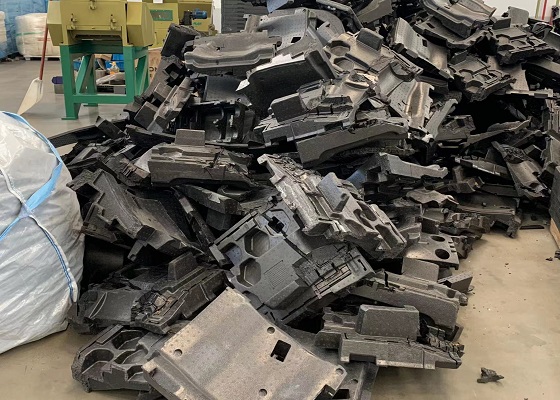
1) Where does EPP scrap mainly come from in automotive plants?
Most EPP scrap falls into three categories:
· Production offcuts and trim: scraps and leftover pieces from cutting, trimming, and assembly.
· Retired returnable packaging: returnable inserts and cushioning parts that are discarded due to wear, design updates, or end-of-life.
· Defects and rework: EPP parts that can’t be reused because of size, appearance, or structural issues.
If the scrap is relatively clean and single-material, the EPP recycling path is much clearer. If it’s mixed with tape, film, dust, or oil, on-site handling becomes harder and disposal costs are more likely to get out of control. In some Latin American plants, mixed packaging from multiple suppliers is also common—basic sorting and labeling at the source can save a lot of trouble later.
2) Why is the total cost of handling EPP scrap often high?
Many companies think the cost comes from the “scrap itself,” but with EPP the real issue is usually volume: it’s lightweight but bulky, which drives up handling costs. Common cost drivers include:
· Floor space: foam fills the scrap area quickly, hurting 5S and traffic flow.
· More handling: more big bags, bins, forklift moves, and manual labor.
· More pickups: trucks fill up faster, so transport frequency increases (especially costly for cross-city hauls in Latin America).
· More labor time: sorting, bagging, and organizing take manpower.
· Harder recycler handoff: loose foam is difficult to load and measure, and recyclers are less likely to accept it.
That’s why, in many automotive plants, the key first step is to reduce volume and stabilize the scrap flow, then optimize recycler connections and pricing.
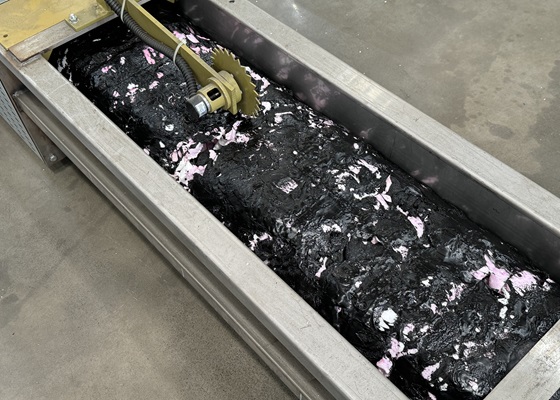
3) On-site compaction/densification: the fastest way to cut EPP volume
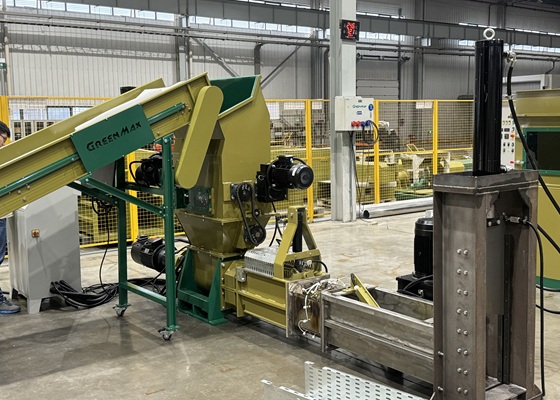
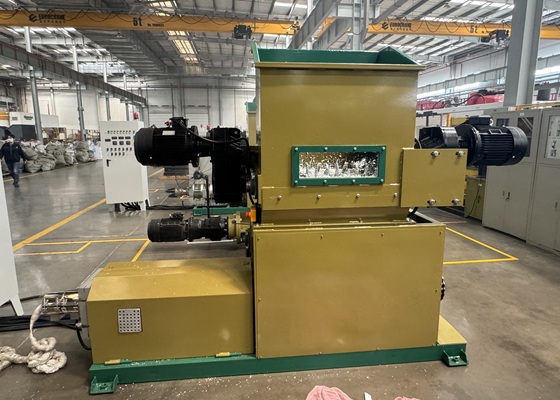
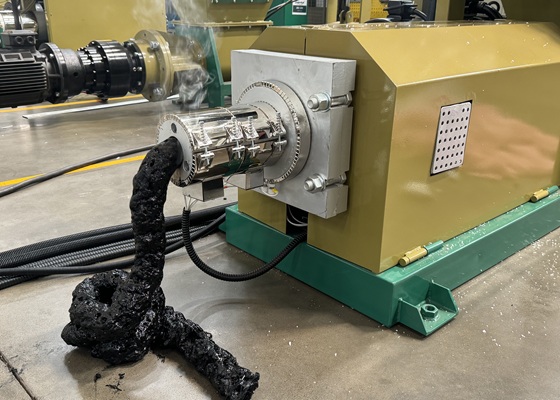
For automotive plants, using a foam recycling machine for on-site compaction/densification is one of the most common—and easiest to implement—approaches. The goal is simple: reduce volume dramatically so EPP scrap is easier to store, transport, and hand off for recycling.
· Less floor space: scrap goes from “puffy and bulky” to “more compact and controllable.”
· Fewer pickups: with lower volume, trucks take longer to fill—fewer trips and more predictable logistics costs.
· Better shop-floor management: a cleaner scrap area supports 5S and safety.
· Smoother recycler handoff: loading, measuring, and storing become easier, and recyclers are more willing to accept it.
GreenMax can recommend a right-fit EPP foam compactor setup based on your scrap form and throughput, helping you address the core issue—“high volume, limited space, frequent hauling”—without disrupting production, and making EPP recycling more stable.
4) How to choose a foam recycling machine and the right setup: 5 questions are enough
To quickly figure out which solution fits your EPP scrap, you don’t need a complex assessment up front. Just prepare these five pieces of information:
1. Scrap cleanliness: Is the EPP clean, or mixed with tape, film, dust, or oil?
2. Scrap form: Mostly large pieces/returnable inserts, or mostly offcuts and small scraps?
3. Daily volume: About how many kg per day—or how many bags/bins per week?
4. Goal: Only reduce volume and costs, or also increase recycling value and plan for a closed loop?
5. Site conditions: Available space, power supply, and feeding method (manual or forklift)?
With these five inputs, it’s easy to build a practical recommendation (EPP foam compactor configuration and operating flow) and cut down on back-and-forth.
5) FAQs
Is EPP scrap recyclable?
In most cases, yes—especially clean, single-material EPP offcuts and trim, which are easier to route into a stable recycling stream. If the scrap contains a lot of contaminants, it’s best to start with volume reduction and basic sorting to bring down on-site handling and transport costs, then pursue higher recycling value.
What’s the core value of using an EPP foam compactor?
The main value is reducing volume and hauling frequency—cutting floor space needs and logistics costs, making foam scrap easier to manage, and creating a more consistent output form for smoother downstream EPP recycling.
Get a solution and quote: just send 5 details
If you’re an automotive OEM or parts plant in Latin America dealing with EPP foam scrap (offcuts, trim, returnable inserts, etc.), share the following and we can quickly recommend a setup:
· City / region
· Whether the EPP scrap is clean (tape, film, dust, oil, etc.)
· Volume (kg/day or bags/bins per week)
· Available space and feeding method (manual or forklift)
· Your goal (reduce volume & cost / increase recycling value / plan a more complete solution)