
 Select Language
 English
 Spanish
 Polish
 Japanese
 Italian
 French
Beverage Producers’ Aluminum Can Recycling Solution: Plastic Dewatering Machine with Integrated Dewatering + Compaction
For beverage producers, aluminum canned beverages do not always reach the end market. Expired products, printing errors, batch recalls, transport damage, or channel returns can all create a volume of “unsellable” goods. If handled improperly, these products not only take up warehouse and plant space, but can also cause liquid leakage, odors, pests, and compliance risks.
For this scenario, a plastic dewatering machine provides a more standardized approach: it dewaters and compacts canned beverages, discharges liquid in a centralized way, and compresses cans and packaging into uniform bales/blocks. This improves compacting aluminum cans efficiency at the source and enables a more controllable aluminum can recycling workflow.
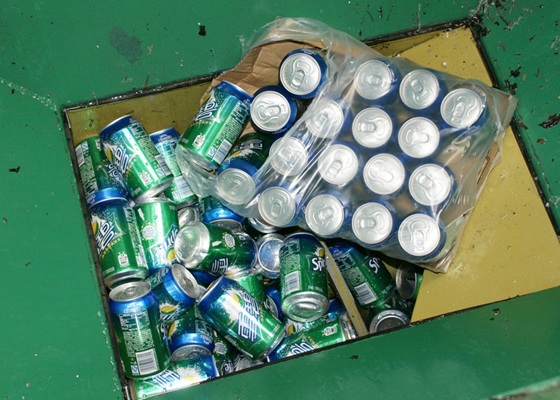
How This Can Baler Machine Works (For Expired / Scrapped Canned Beverages)
1. Dewatering / Liquid Draining: Before compaction, the machine drains liquid from the cans. The beverage is collected centrally and directed to a designated discharge point or recovery system, preventing dripping on the shop floor.
2. Block Compaction: The cans are compacted into dense blocks at about 10:1. Volume is significantly reduced for easier storage, loading, and transportation.
3. Enter the Recycling Chain: Compressed aluminum blocks match recyclers’ preferred receiving format, helping connect more efficiently with downstream recycling systems and improving aluminum can recycling.
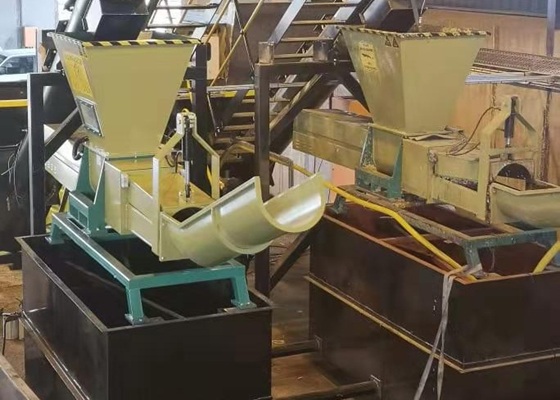
3 Common Problems Beverage Producers Face (And the Solutions)
Problem 1: Fast Pile-Up, High Pickup Frequency, and Expensive Logistics
Cause: Canned beverages are bulky and often generated in large batches. Warehouses and workshops fill up quickly. Loose loading is inefficient, so pickup frequency increases.
Solution: Use a plastic dewatering machine for compacting aluminum cans into dense blocks. This dramatically reduces volume, cuts required floor space and transport trips, and turns scrapped products from a “space burden” into a more manageable, standardized recycling commodity.
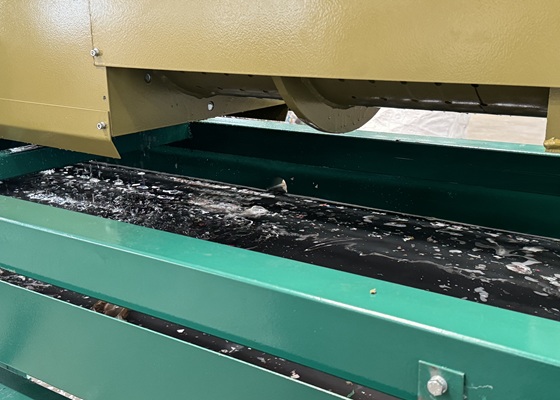
Problem 2: Liquid Leakage Creates Mess and Odors, Increasing Environmental and Compliance Pressure
Cause: Expired beverages, damaged cans, or deformed cans can leak. Manual draining is slow and inconsistent, while cleaning and odor control add significant cost.
Solution: The machine makes draining part of the process—first dewatering/controlled liquid routing, then compaction. Liquids are collected centrally for controlled discharge or treatment, reducing scattered leakage, keeping the site cleaner, and making risks more controllable.
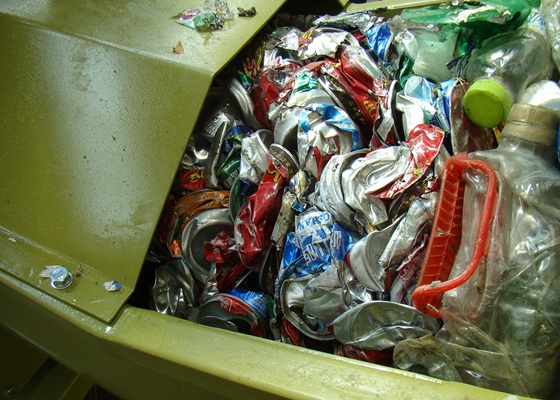
Problem 3: Heavy Manual Work and Inconsistent Output, Making Recycling Standards Hard to Maintain
Cause: Manual unpacking, draining, stacking, and bundling is time-consuming and labor-intensive, and it often leads to inconsistent quality between batches. Recyclers typically require specific standards for cleanliness, residual liquid, and bale/block form.
Solution: Standardize the workflow with a can baler machine: fixed dewatering routing plus a consistent compaction form. The output becomes closer to a “standard commodity,” improves recycler handoff, strengthens delivery consistency and negotiation position, and can increase margins in aluminum can recycling.
Turn “Disposal Cost” into a Controlled Recycling Process
For beverage producers, handling unsellable canned beverages—such as expired or misprinted products—should be more than “removing them quickly.” It should be a replicable and sustainable process. By using a plastic dewatering machine to integrate dewatering and compaction, you can manage liquids centrally, bundle cans into consistent blocks, lower space and logistics costs, keep operations cleaner, and build a smoother aluminum can recycling chain.