 Select Language
 English
 Spanish
 Polish
 Japanese
 Italian
 French
How to Run Yogurt Cup Recycling in Food Waste Depackaging
In the dairy industry, off-spec fills, cap/label issues, damaged packs, and near-expired or expired yogurt show up almost every day. These products may look like “trash,” but they actually contain two reusable resources: the cup packaging and the yogurt liquid.
In North America and Europe, a growing number of companies specialize in food-waste depackaging. Their focus is separating food from packaging, keeping valuable materials out of landfills, and routing organics and packaging to farms, composters, anaerobic digestion facilities, and recycling partners—enabling yogurt cup recycling and real material recovery.
Where Do the Materials Go After Separation?
Yogurt cup packaging (PP/PS/PET)
Common yogurt cup materials include PP, PS, and PET. Downstream recyclers can process them into recycled plastic resin (rPP/rPS/rPET) used for products such as pallets, reusable totes, planters, and pipe fittings. In some regions, they may also be used in composites or plastic lumber applications.
Yogurt liquid (organics)
Separated yogurt is a high-moisture organic stream that can be routed to anaerobic digestion (biogas + digestate), composting, or farm use (depending on local regulations and acceptance requirements).
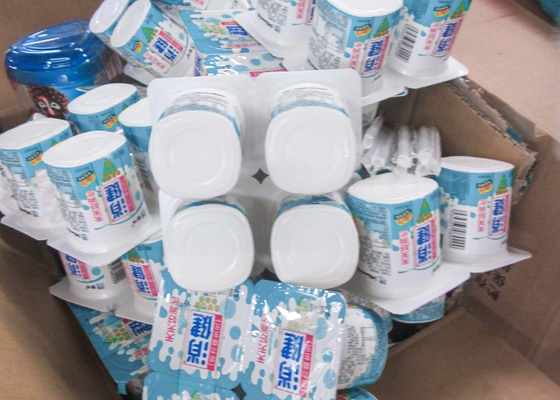
Real-World Challenges: Labor, Logistics, and Site Cleanliness
Many facilities start with manual depackaging: cutting, emptying, rinsing, sorting, and bagging. But issues show up fast:
- High labor cost, low throughput: yogurt cups are small and numerous, so manual work is time-consuming.
- Hard-to-handle liquids: yogurt is thick, splashes easily, and leaves residue—mess spreads quickly.
- “Shipping air”: uncompressed cups take up lots of space, lowering truck utilization and raising cost per load.
- Compliance and perception: odors, leaks, and pest risk increase operational pressure.
That’s why more operators are moving to an automated approach—separate + collect liquids + compact packaging— using a dewatering compactor to standardize and scale the process.
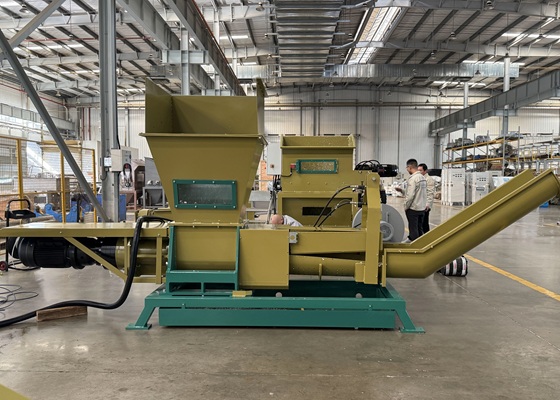
Recommended Yogurt Cup Recycling Setup: GreenMax Plastic Dewatering Machine
For liquid-containing food packaging like yogurt cups, the GreenMax dewatering compactor supports expired food compaction and delivers three key outcomes:
1) Efficient yogurt cup liquid separation
As cups enter the machine, packaging and liquid are effectively separated. Liquid is collected into a drain pan, reducing manual dumping and cleanup frequency.
2) Dewatering rate up to 90%
Continuous pressing and a dedicated drainage design squeeze out and consolidate as much liquid as possible. This reduces the burden on downstream organics handling and leaves packaging cleaner and more recyclable.
3) Expired food compaction up to 10:1
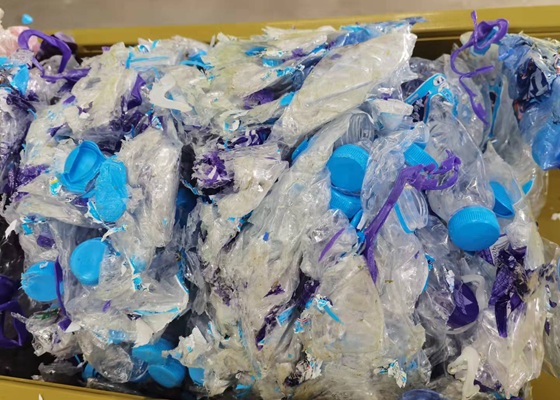
After separation, the cup packaging is continuously compacted by the screw into a denser form. With up to a 10:1 volume reduction, packaging, loading, and transport become far more efficient—turning “shipping air” into “shipping material.” This is one of the most direct ways to cut costs for yogurt cup recycling.
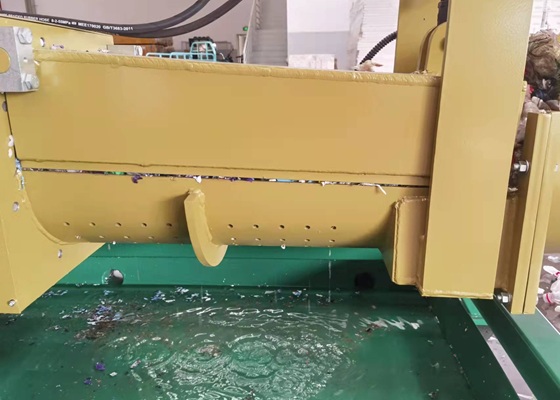
Cleaner Operations: Liquids to a Pipe, Packaging Straight to a Bag
Beyond throughput and cost, many customers also prioritize hygiene. With the GreenMax plastic dewatering machine:
- Yogurt liquid can be routed via piping from the drain pan directly into a designated container, IBC tote, or storage tank, reducing spills and rehandling.
- Compacted yogurt cups can be bagged immediately or dropped into a bin, reducing scatter and splashing.
Overall, yogurt cup liquid separation works more like a closed-loop collection process, helping keep the work area clean and organized.
More Than Yogurt Cups: One Machine for Multiple Liquid-Containing Packages
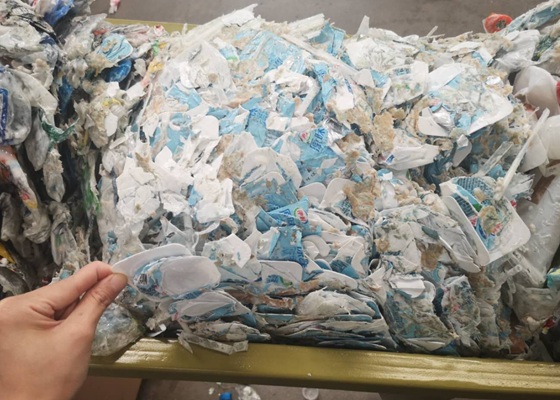
This dewatering compactor isn’t limited to yogurt cups. It can also process other liquid-containing food packaging, such as PET bottles, aluminum cans, and Tetra Pak cartons.
Different materials require different settings (press force, feed rate, drainage configuration, and more). GreenMax pre-sets the parameters and runs validation tests before shipment, so the plastic dewatering machine can be put to work right away. Operators can select the appropriate processing mode on the control panel without fine-tuning parameters from scratch.
When you’re dealing with off-spec, damaged, or expired yogurt, the most efficient path isn’t “more labor”—it’s a standardized, scalable depackaging and volume-reduction workflow. With a system that separates packaging and liquid, collects liquids centrally, and delivers expired food compaction, you can turn yogurt cup recycling into a repeatable line operation and convert “messy waste” into resources that can be routed to farms, composting, and other recovery pathways.