 Select Language
 English
 Spanish
 Polish
 Japanese
 Italian
 French
The Value and Practice of Building an EPP Recycling Network
JSP is Japan’s largest EPP raw material producer, with an annual output of around 30,000 tons. CATL, the world’s largest power battery manufacturer, supplies EV components to Germany, Hungary, Spain, and other countries, generating about 300 tons of EPP packaging waste per month at its Hungary plant.
This shows that EPP foam is widely used in automotive parts and packaging, with demand continuing to grow. At the same time, waste management has become a growing challenge. Building an efficient EPP recycling network is the only practical way to ensure EPP can be reused after its initial use.
Why build an EPP recycling network?
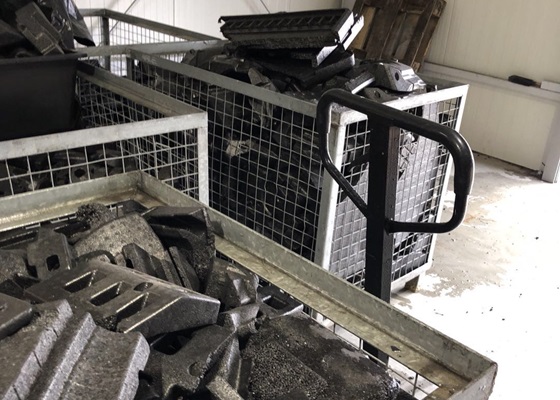
Beyond post-use EPP foam, large amounts of EPP scrap are also generated during production and processing. If not recycled in time, this waste takes up valuable warehouse space and increases disposal costs and environmental risks.
For companies handling EPP waste, building an expanded polypropylene recycling network in advance offers three key benefits:
1. Create economic value: EPP can be processed into recycled pellets using a foam pelletizing machine and fed back into production, turning waste into value.
2. Manage waste efficiently: A structured recycling system prevents uncontrolled accumulation and reduces storage and transport pressure.
3. Gain a competitive edge: As environmental regulations tighten, a mature recycling network not only solves internal waste issues but also supports future business growth and partnerships.
How to build an expanded polypropylene recycling network?
It mainly includes three key steps:
1. Waste collection and compaction
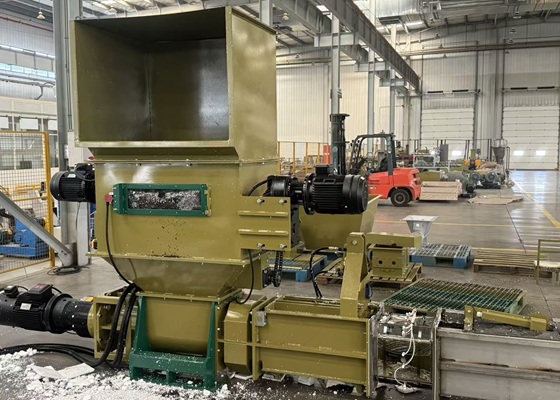
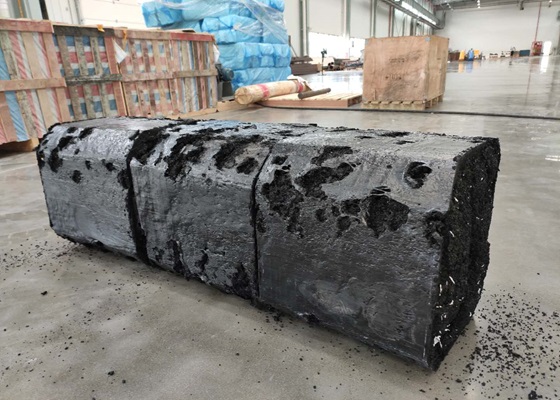
To reduce transportation and handling costs, the first step is to compress EPP waste using an EPP compactor. The GreenMax Zeus EPP compactor shreds and compresses bulky waste into dense blocks with a 300 × 300 mm cross-section (adjustable length). Surface heat treatment improves stability and prevents loosening. Volume can be reduced by up to 50:1, significantly lowering logistics costs and making storage and transport easier.
2. Transport and pelletizing
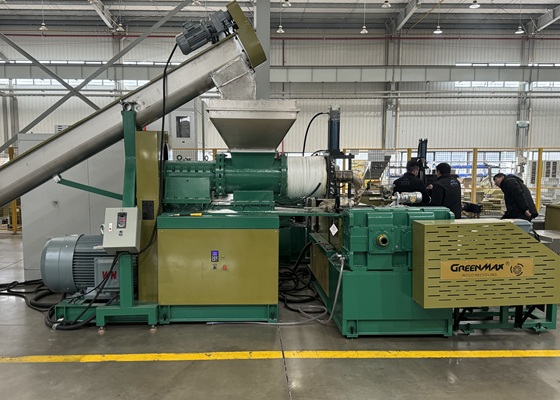
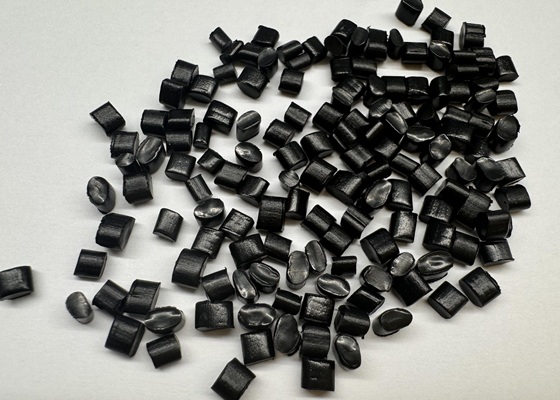
The compressed EPP blocks are transported to downstream recyclers and processed into uniform recycled pellets using a GreenMax foam pelletizing machine. Through shredding, melting, and filtration, the material becomes a cleaner melt, then is strand-extruded, water-cooled, and pelletized for bagging. GreenMax also offers an automatic screen changer to improve filtration efficiency and operational safety.
3. Sales and reuse of recycled pellets
Recycled EPP pellets can be used directly in new production, sold to EPP users such as automotive parts and packaging manufacturers, or reused in the company’s own production lines. GreenMax can help establish stable sales channels, enabling a closed-loop EPP recycling system.
How to generate value from EPP recycling
The main revenue of an EPP recycling network comes from selling compressed blocks, recycled pellets, and finished eco-friendly products. For large manufacturers, recycling also helps reduce production losses by reusing offcuts, further lowering raw material costs.
In an expanded polypropylene recycling network, the EPP compactor and foam pelletizing machine are essential equipment. Companies can configure them flexibly based on waste volume and business plans.
It is important to note that the quality of compressed blocks directly affects the quality of the final recycled PP pellets. The GreenMax Zeus series uses cold compaction combined with surface heat treatment, resulting in lower energy consumption. Internal screw compaction is purely mechanical, without heating the material itself, so the physical properties of EPP are preserved—making it ideal for downstream pelletizing.
As the use of EPP continues to grow, waste management has become unavoidable.
Building an EPP recycling network early helps companies manage waste efficiently, create economic value, and gain an edge in sustainability and market competition.
For businesses, it is a practical way to handle in-house waste, reduce costs, generate revenue, and stay ahead of future market trends.