
 Select Language
 English
 Spanish
 Polish
 Japanese
 Italian
 French
A Detailed Look at EPP Waste Sources and Recycling Solutions in the Automotive Industry
In the automotive industry, EPP (expanded polypropylene) foam is widely used in both vehicle components and logistics packaging because of its lightweight structure, impact resistance, compression strength, thermal insulation, and reusability.
As its applications continue to expand, the automotive industry is also generating more and more EPP waste, making EPP recycling an increasingly important topic. For automakers, auto parts suppliers, and professional recyclers, using the right foam recycling machine to improve recycling efficiency and material value is becoming an important way to reduce costs and improve operational performance.
Where EPP Foam Is Used in the Automotive Industry
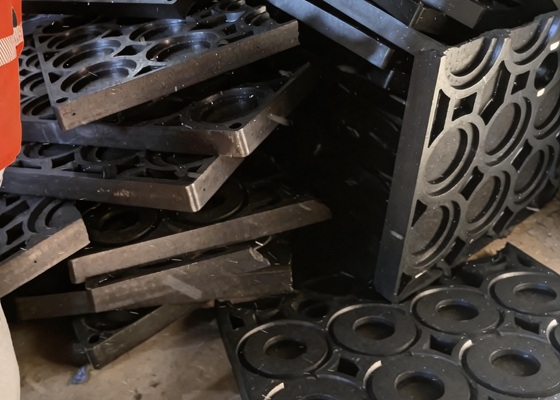
EPP foam is first widely used in automotive components themselves. Because it combines lightweight performance with cushioning and protection, it is commonly used in parts that require shock absorption, support, and protection. These applications include door panel cushioning structures, seat filling parts, headrest cores, trunk storage modules, and battery pack protective components. With the rapid growth of new energy vehicles, the automotive industry has placed even greater emphasis on lightweight materials and battery protection, which has further expanded the use of EPP.
In addition to vehicle components, EPP is also widely used in automotive logistics and supply chain packaging. Auto parts such as engine components and electronic parts move constantly between suppliers, assembly plants, and warehouses. To prevent damage and wear during transportation, companies often use EPP returnable boxes, EPP cushioning trays, and other protective packaging solutions. Compared with disposable packaging, EPP packaging is more durable, more resistant to pressure, and reusable over multiple cycles, which makes it highly popular in the automotive industry.
Why the Automotive Industry Generates So Much EPP Waste
EPP waste in the automotive industry comes from many sources and is generated on a continuing basis.
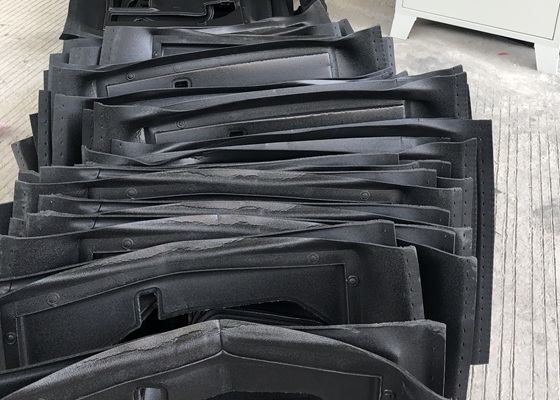
First, during parts manufacturing, companies continuously generate EPP edge trim, cutting scraps, mold testing waste, and defective products. Even on highly standardized production lines, it is difficult to completely avoid this type of foam waste.
Second, in logistics turnover, a large amount of EPP packaging is discarded after long-term use because of wear, breakage, deformation, or changing size requirements. Since the automotive supply chain handles high volumes and frequent circulation, the amount of packaging waste can also be considerable.
Third, during after-sales repair and end-of-life vehicle dismantling, EPP parts originally installed in vehicles—such as cushioning blocks, liners, and storage structure parts—also enter the waste stream. As vehicle ownership continues to increase, this source of EPP waste is also growing steadily.
Why EPP Recycling and Reuse Are Becoming More Necessary
For the automotive industry, advancing EPP recycling and reuse is increasingly necessary, first because the material takes up a large amount of space. EPP is lightweight but bulky, so untreated waste can occupy significant storage space.
Another major issue is transportation cost. Loose EPP foam can fill a truck very quickly, but the actual payload is still low, which means transportation efficiency is poor. Without using an EPP densifier to reduce volume, companies must arrange more frequent pickups, and logistics costs continue to rise.
In addition, the automotive industry is placing more emphasis on environmental compliance and ESG management. For companies exporting to Europe and the United States or supplying major automotive brands, building a more standardized expanded polypropylene recycling system can also strengthen sustainability performance and supply chain competitiveness.
More importantly, with the right recycling process, discarded EPP can be turned from low-value waste into recyclable material that can be transported, traded, and reprocessed. In other words, it allows waste foam to re-enter the circular economy as a reusable resource.
How EPP Foam Is Recycled in the Automotive Industry
In practice, automotive EPP recycling usually involves two key steps: densification and pelletizing.
Step 1: Densification
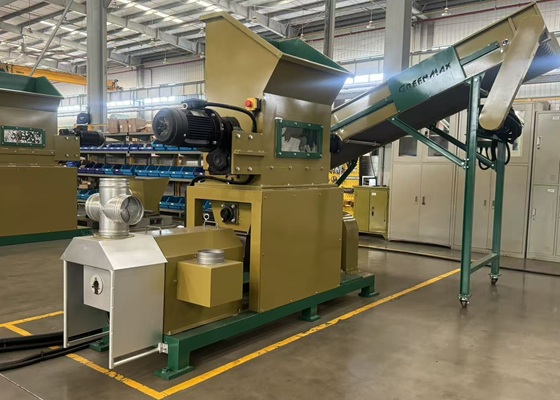
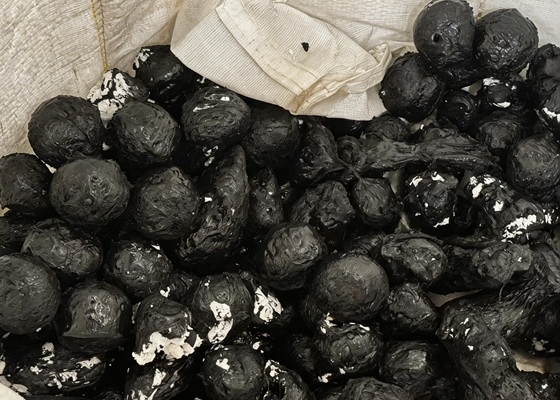
Because EPP waste is bulky and relatively dense in volume, it typically needs to be shredded first and then processed through an EPP densifier for hot melt compression. This turns loose foam into high-density ingots, reducing storage space requirements, improving material handling, and increasing transportation efficiency.
Step 2: Pelletizing
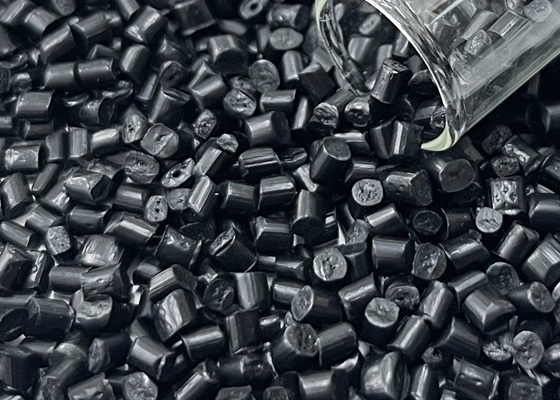
Foam compressed at up to a 90:1 ratio can be transported to downstream pelletizers with higher truck loading capacity and lower logistics costs. There, the EPP waste can be melted, extruded, cooled, and cut into recycled pellets. These pellets can then be used again in the production of packaging products, cushioning materials, or other polypropylene-based products.
From bumper energy-absorbing parts and seat components to returnable logistics packaging, EPP foam is already used extensively throughout the automotive industry. As a result, the industry continues to generate large amounts of EPP waste across production, logistics, and after-sales stages.
Faced with storage pressure, transportation costs, environmental requirements, and the growing trend toward resource reuse, building an efficient expanded polypropylene recycling system is becoming increasingly necessary. With the right foam recycling machine and a proper process that combines densification and pelletizing, companies can turn EPP waste into a higher-value resource while improving both operational efficiency and sustainability.