 Select Language
 English
 Spanish
 Polish
 Japanese
 Italian
 French
Coastal Foam Recycling: Fish Boxes and EPS Buoys
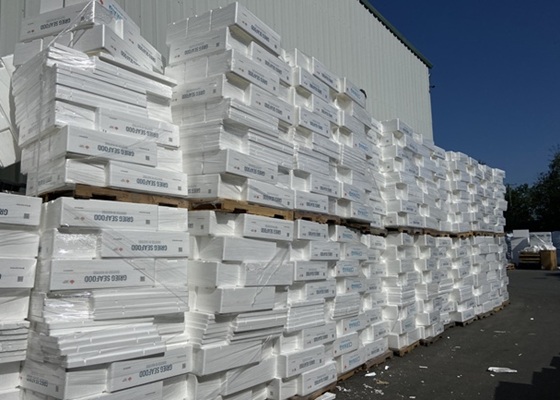
By the sea, polystyrene (EPS) fish boxes are essential for storing and transporting seafood, while EPS buoys are widely used in aquaculture and for fixing fishing nets.
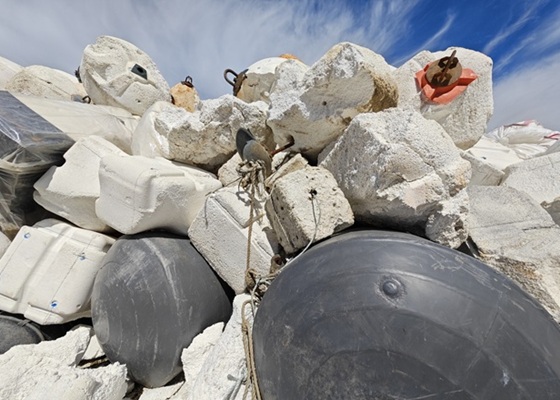
However, both materials are easily damaged and discarded. They often pile up at docks and beaches or are washed away by seawater, creating white waste along the coast and causing serious harm to marine ecosystems and coastal environments.
For fish dealers and those in the fishing industry, launching foam recycling and EPS buoy recycling initiatives has become urgent.
One machine, two uses – higher recycling efficiency
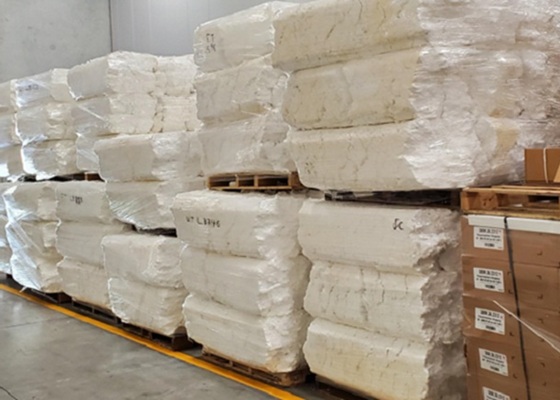
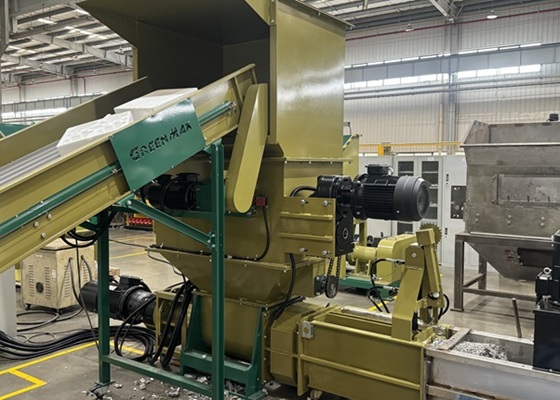
GREENMAX polystyrene compactor is designed to recycle both fish boxes and EPS buoys, compressing bulky, lightweight polystyrene waste into dense blocks. After compaction, EPS waste can be reduced up to 50:1, turning large piles into neat foam blocks that can be stacked at docks and sold to downstream recyclers for pelletizing and reuse.
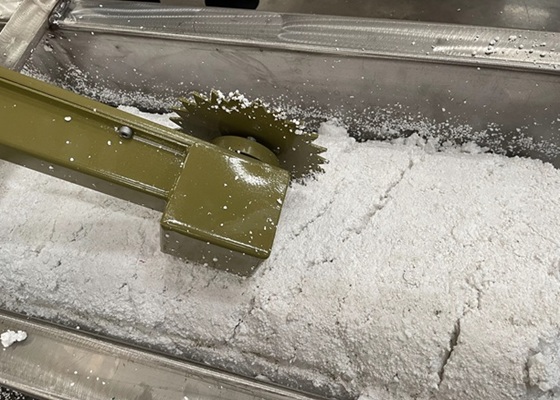
Process: The foam is first crushed into uniform pieces, then fed into the compaction chamber of the polystyrene compactor. A screw continuously compresses the material until it forms a 50:1 block, which is slowly extruded and evenly cut by an automatic knife.
This polystyrene compactor helps coastal fish dealers and recyclers handle both fish boxes and EPS buoys at the same time, reducing recycling costs while greatly improving efficiency.
Material upgrade – better for coastal foam recycling
Since coastal waste often contains high moisture and salt and is prone to corrosion, GREENMAX has upgraded the design of the polystyrene compactor with anti-rust features and stainless steel in the compaction chamber. This ensures stable long-term operation at docks and coastal areas while minimizing seawater impact on equipment life.
During continuous compression, friction between foam pieces, the screw, and the chamber wall can generate heat, causing local temperature rise and even melting, which affects EPS recycling. To address this, GREENMAX has added two safety and cooling measures:
1. Discharge monitoring device: A rotating disk above the outlet turns slowly with the foam blocks. If melting occurs, the disk stops and the system triggers an alarm to alert staff.
2. Water-cooling system: A cooling loop is installed at the most critical points, using cold water to reduce heat, extend operating time, and improve efficiency in foam recycling and EPS buoy recycling.
Economic and environmental benefits
Using a polystyrene compactor for foam recycling and EPS buoys brings multiple advantages:
• Economic: Compacted fish boxes and buoys are easier to store and transport, and can be sold to downstream factories for reuse, creating extra revenue.
• Environmental: Significantly reduces coastal “white waste,” protecting marine ecosystems and fishery resources.
• Regulatory: Supports compliance with environmental laws and recycling policies, helping fisheries build a responsible green image.
With the GREENMAX polystyrene compactor, foam recycling becomes not only the responsibility of coastal fish dealers, but also a sustainable business that delivers both economic and environmental gains.