 Select Language
 English
 Spanish
 Polish
 Japanese
 Italian
 French
Dairy Waste Recycling Solutions Centered on a Beverage Depackaging Machine
In the U.S., dairy products are tightly linked to food safety oversight and regulated handling requirements. The FDA provides guidance and regulatory information for milk and milk products, while USDA also treats food safety and food loss and waste as major national issues. That means once milk drinks, flavored milk, yogurt drinks, shakes, or other dairy beverages can no longer be sold, they need to move into a more controlled handling process rather than simply being treated as ordinary warehouse cleanup.
For dairy beverage producers, co-packers, contract fillers, and brand-owned distribution centers, this is a practical daily issue. Packaging defects, filling errors, labeling mistakes, product returns, and aged inventory can all create a steady stream of unsaleable dairy beverages. In many facilities, the challenge is no longer just disposal. It is about building a safer and more efficient path for dairy waste recycling and expired milk disposal.
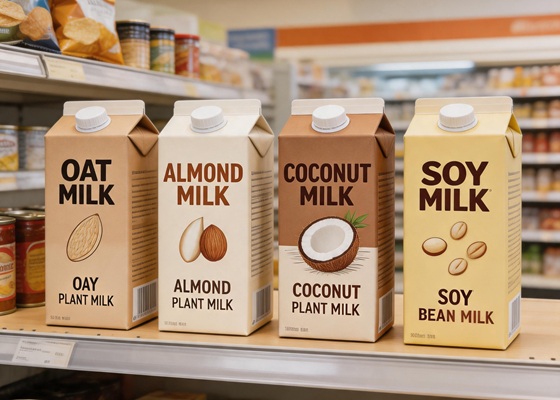
That is why these businesses need a complete dairy waste recycling process. A better system can help reduce food waste, lower handling costs for unsaleable products, and support broader resource recovery goals. In the U.S., where food loss and waste remains a major issue, more companies are treating this as an operational management topic, not just a sanitation problem.
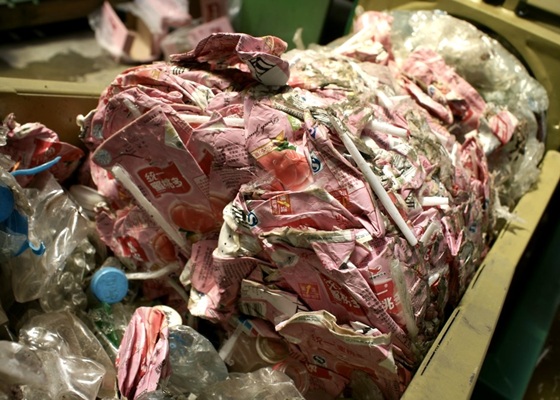
Many dairy beverages are packed in carton-style packaging commonly referred to as Tetra Pak cartons. These cartons are multi-layer structures made primarily of paperboard, along with polymer layers and, in many cases, a thin aluminum layer. Because of that structure, the more practical expired milk disposal method is usually to separate the liquid from the package first, then compress and prepare the emptied cartons for downstream recycling or disposal.
The key to this process is simple: collect the liquid in a controlled way so it does not spill into the production or warehouse environment, and improve the efficiency of downstream carton compaction. In practice, this is where a beverage depackaging machine becomes the core piece of equipment.
Why a Beverage Depackaging Machine Matters
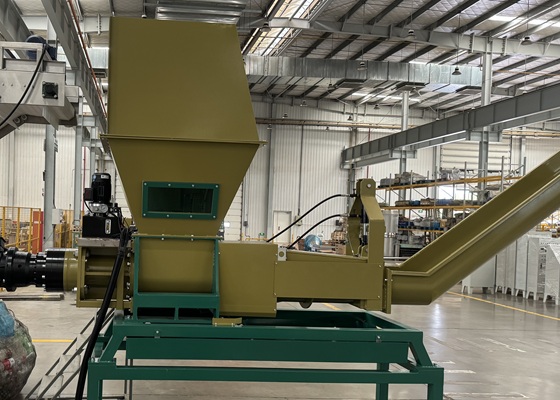
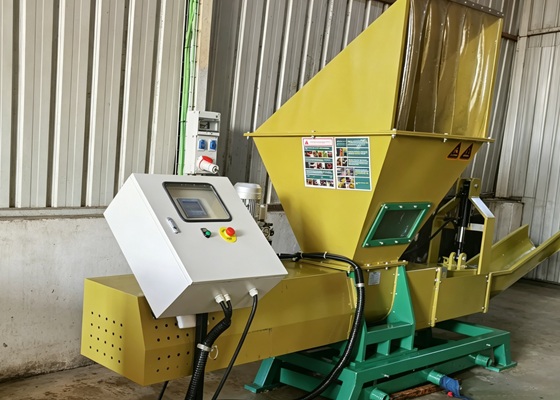
The GreenMax Poseidon series dewatering compactor is designed for expired beverage handling. It can separate liquid from packaging, achieve about 90% dewatering, and compress packaging at roughly a 10:1 ratio. That makes it a practical starting point for dairy waste recycling.
Beyond the top feeding hopper, the lower section of this beverage depackaging machine mainly consists of a motor, screw shaft, extrusion chamber, compression chamber, and discharge chute, with a stainless steel collection tray installed underneath.
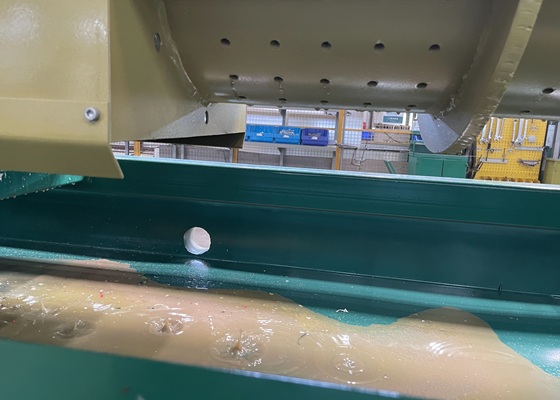
The extrusion chamber uses a perforated cylindrical structure. After expired dairy beverages enter the machine, the screw continuously applies pressure so the liquid is pushed out first. The extracted liquid flows through the perforations and is collected in the tray below. The collection tray includes three drainage outlets that can be connected to piping, allowing the liquid to be discharged to a designated area and reducing the risk of contamination around the line.
From Liquid Separation to Carton Compaction
Once the liquid and package are separated, the carton continues into the compression chamber of the dewatering compactor. Under continuous screw pressure, the packaging is reduced to about one-tenth of its original volume and pushed forward. Because the lower part of the compression chamber is also perforated, residual liquid can continue to drain into the collection tray.
The discharge chute is designed on an upward angle. As the cartons are pushed out, that geometry helps remove additional residual liquid and supports the machine’s 90% dewatering effect. At the same time, the added discharge resistance helps the packaging come out in a tighter, denser form.
After around 90% of the liquid is removed, the cartons become drier and lighter. After compactación de Tetra-Pak at about 10:1, transportation and downstream handling become much more efficient. Meanwhile, the separated milk or dairy beverage liquid can move into other recovery paths, such as anaerobic digestion for biogas production, depending on the facility’s downstream options and local compliance requirements. USDA and FDA materials around food safety and disposal make clear that unsaleable product should be handled in a controlled way so it does not re-enter the food supply improperly.
In that sense, dairy waste recycling is not only about reducing food waste. It is also about recovering value from both streams: liquid handled through the right downstream route, and emptied packaging prepared for recycling or sale to qualified downstream handlers.
A More Complete Food-Safe Recovery Path
The value of a beverage depackaging machine is not limited to handling expired drinks. For producers, co-packers, and distribution centers, it helps build a more complete internal recovery path: liquid is collected in a controlled way, packaging is dewatered and volume-reduced separately, and the two waste streams can then enter different downstream recycling or disposal channels.
It is also not limited to carton-packed dairy beverages. The same approach can also be used for plastic bottles, aluminum cans, yogurt cups, and other beverage packaging types. For facilities running multiple beverage lines, that makes one dewatering compactor useful across several waste streams.
Common Questions About Expired Milk Disposal
1. Can a dewatering compactor also handle organic waste?
It can be used on wet, organic-rich packaged waste streams such as dairy beverages, juice, or sauces. Its main job is not final destruction. Its core function is dewatering and compaction, removing liquid from the waste stream so downstream handling becomes easier.
2. Why separate liquid from packaging first?
Because the biggest problem with expired beverages is not just the package itself, but the liquid still inside it. Separation first helps reduce spills, lower transportation burden, and make it easier to handle the liquid and packaging through different downstream routes.