 Select Language
 English
 Spanish
 Polish
 Japanese
 Italian
 French
Dual-line Reuse and Recycling System for EPS Manufacturers
In the production of EPS (Expanded Polystyrene) foam, manufacturers often generate two types of waste materials:
1. Clean, reusable edge scraps
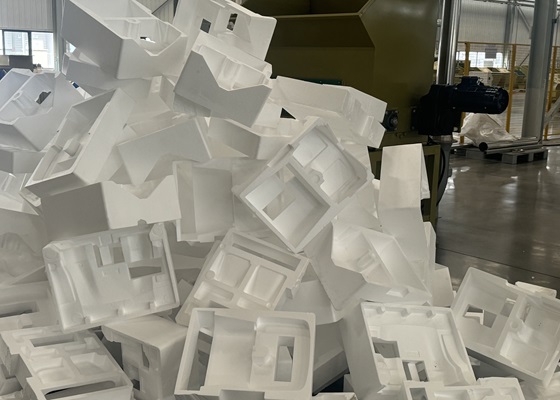
During the cutting and molding processes, a large amount of white foam debris is produced. These materials are clean and of high purity, and after being shredded by a foam shredder, they can be reintroduced into production to reduce waste.
2. Non-compliant waste and dust
Some foam may be unusable due to issues like density deviation, abnormal foaming, or size non-conformance. Additionally, the cutting process generates lightweight powder that cannot be reused directly. These materials take up significant storage space and, therefore, require a safe and eco-friendly Styrofoam recycling method.
To help EPS manufacturers address both "reuse" and "recycling" needs, GreenMax has designed a dual-line EPS recycling system:
First Line: Clean Material Shredding and Reuse System
This system is specifically designed to process clean, qualified edge scraps, enabling them to be reintroduced into production after treatment, reducing raw material consumption and lowering production costs.
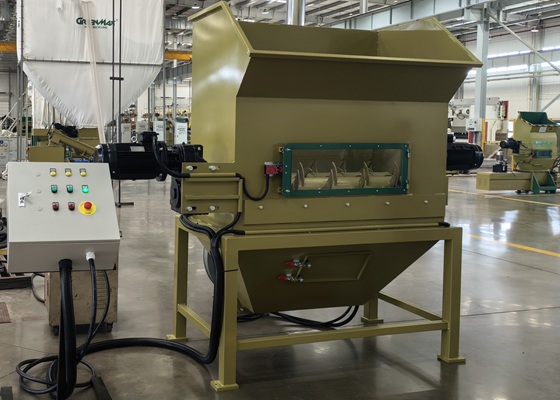
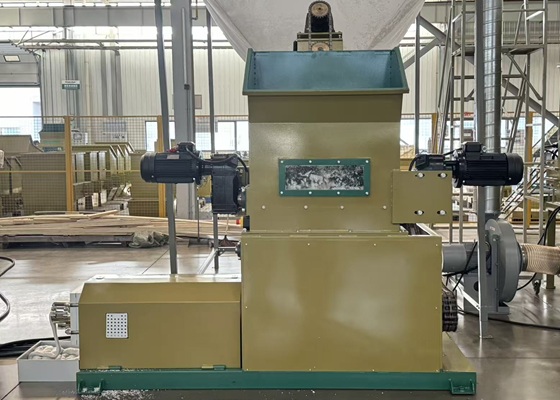
Edge scraps are first fed into a foam shredder, where the EPS is evenly shredded into particles by a screw blade. The foam recycling machine is equipped with a specialized filtration screen to ensure only foam particles of the correct size enter the next stage, maintaining particle size consistency and improving the quality of reprocessed materials.
The uniformly shredded particles are then sent to a hopper, where they are mixed with new material in a set ratio before being reintroduced into the production line to manufacture new foam products.
Second Line: Waste and Dust Styrofoam recycling System
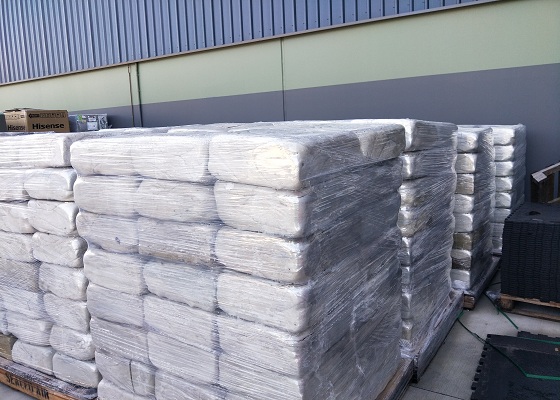
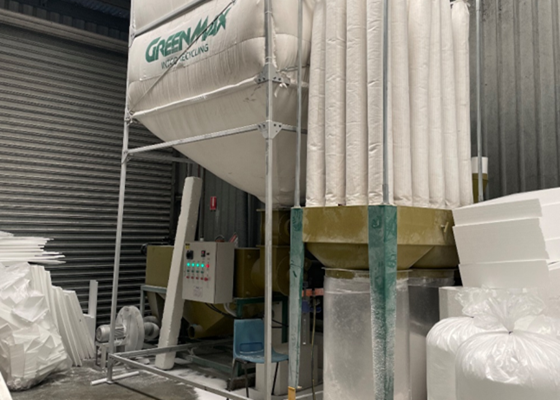
For non-reusable foam waste, cutting dust, and non-compliant products, GreenMax offers a professional Styrofoam densifier for compression and volume reduction. The compressed foam blocks can then be sold to downstream recyclers for re-pelletizing, with a current market price of about $580 per ton.
The block-shaped EPS enters the Styrofoam densifier, where it is first shredded into uniform pieces, then fed into a high-temperature melting chamber. Under high heat, the foam melts into a liquid and is extruded into shape by a screw, achieving a 90:1 volume reduction ratio. This foam recycling machine uses a three-stage independent heating system, which facilitates maintenance (allowing for inspection of individual heating coils) and minimizes the impact of moisture and other factors on the melting process.
Equipped with a dust removal system, EPS powder can be directly fed into the high-temperature melting chamber along with the block material for recycling. The compressed foam is then neatly stacked on pallets and can be sold as a recycled resource to GreenMax or other pelletizers.
Why is the EPS Recycling System Becoming More Important?
In many parts of the U.S., environmental regulations are gradually requiring plastic products to contain a certain percentage of recycled material, including EPS products. By building a system for reuse and recycling, companies not only reduce production losses but also better comply with regulatory requirements, enhancing their sustainable competitiveness.
The Value of a Complete Styrofoam Recycling Solution for Manufacturers:
• Handles two types of materials: clean material for reuse + waste compression and resale
• Reduces raw material waste and lowers production costs
• Improves factory cleanliness and safety by reducing dust accumulation
• Complies with European environmental regulations, improving product market competitiveness
• Achieves higher resource utilization and supports sustainable production