 Select Language
 English
 Spanish
 Polish
 Japanese
 Italian
 French
EPP Recycling in Automotive Industry: Reducing Ongoing Costs, Turning Waste into Profit
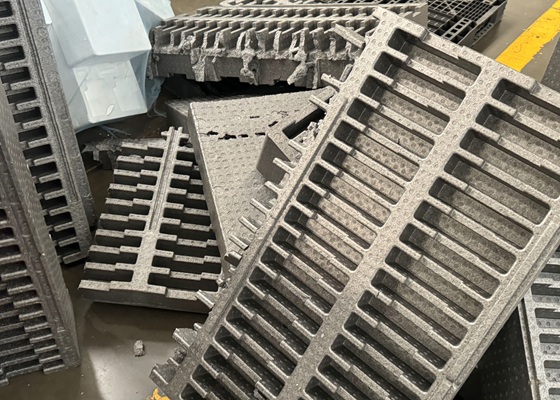
In the automotive industry, EPP (expanded polypropylene) is widely used in bumpers, headrests, seat cushions, and interior protective parts. However, during component production and vehicle dismantling, large amounts of waste, offcuts, or defective EPP are generated. Efficiently handling this foam waste is a challenge for many automakers and parts suppliers.
Common Issues in EPP Recycling
1. Large volume, high storage and transport demands
EPP is lightweight but bulky, taking up significant space in the facility and increasing logistics costs.
2. Little to no market value without processing
Raw EPP is difficult to sell directly in the recycling market and is often landfilled, wasting resources and adding extra environmental costs.
3. Lack of in-house recycling solutions
Many factories rely on external companies for expanded polypropylene recycling, which leads to ongoing outsourcing costs and loss of control over the quality and destination of the recycled material.
One-Stop EPP Recycling Solution: Turning Waste into Raw Material On-Site
GREENMAX offers the automotive industry a complete expanded polypropylene recycling solution, covering the entire process from volume reduction to reuse.
Key Equipment:
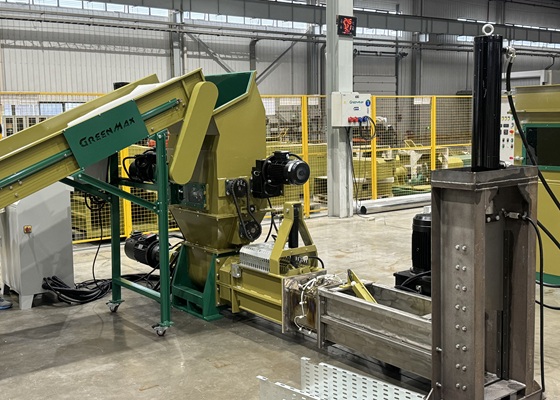
1.Foam Compactor
· Reduces waste volume by over 50%
· Moderate investment cost
· Easy to operate and maintain
This EPP compactor uses screw compression and surface hot-melt technology to crush large EPP foam pieces, compress them into blocks, and melt the surface at the discharge outlet for quick solidification, effectively preventing hard foam blocks from loosening.
By using the foam compactor for volume reduction, transportation and storage efficiency in EPP recycling are greatly improved, unit logistics costs can be reduced by up to 50 times, and the compacted foam blocks are more easily accepted by downstream recyclers.
Therefore, if you only need to handle accumulated waste in your facility, this EPP compactor is sufficient to meet your expanded polypropylene recycling needs.
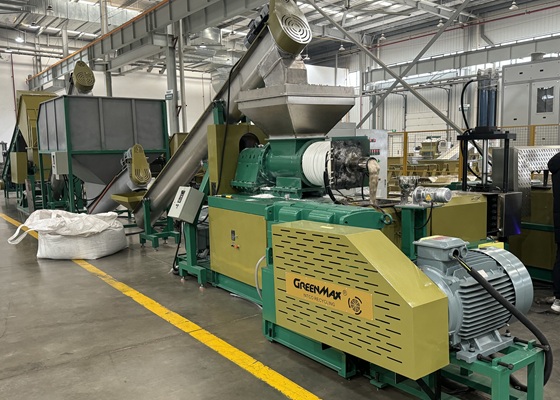
2. Pelletizing Machine
· Converts EPP directly into reusable recycled pellets
· High market value and wide sales channels for pellets
· Higher investment cost
· Requires certain mechanical operating skills
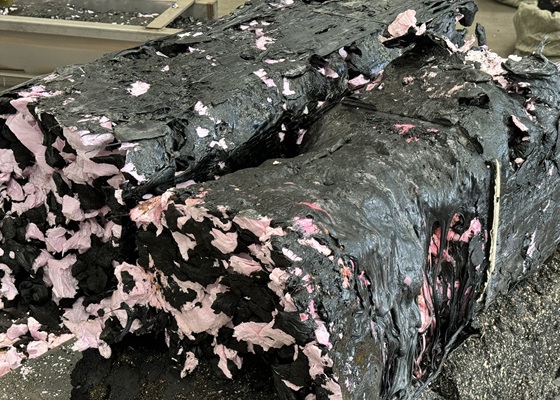
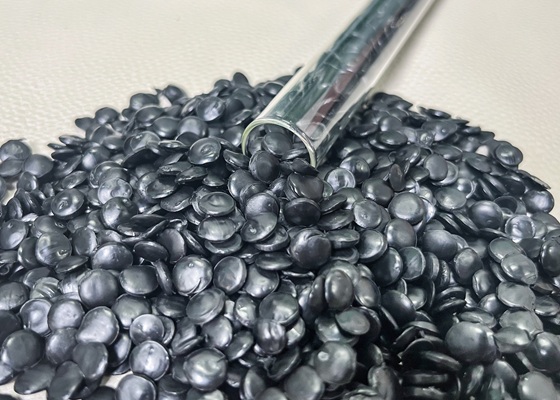
This foam pelletizer can process EPP waste into PP recycled pellets in one step, ready for injection molding, extrusion, and other secondary production. Compared to the compacted blocks produced by a foam compactor, PP recycled pellets have higher economic value and broader market demand.
The pelletizing machine helps automotive plants achieve closed-loop EPP recycling by converting waste and offcuts into raw material ready for direct production, reducing raw material purchasing costs and improving waste utilization. Beyond internal reuse, recycled pellets can also be sold to end-use industries such as sporting goods, leisure products, and packaging.
However, this machine requires a higher investment, more floor space, and skilled operators. If you plan to expand deeply in expanded polypropylene recycling, the pelletizing machine is an essential piece of equipment.
Investment and Payback Period
• Foam Compactor: If 5–7 tons of EPP are recycled each month, the investment can typically be recovered in 10–15 months through savings in transport and processing costs as well as revenue from selling compacted blocks.
• Foam Pelletizer: Depending on output and pellet selling price, the investment is usually recovered in 18–25 months, with ongoing recycling profits thereafter.
By investing in EPP recycling, the automotive industry can turn bulky, low-value foam waste into high-value recycled resources.
GREENMAX has a professional team to design tailor-made solutions for you!