
 Select Language
 English
 Spanish
 Polish
 Japanese
 Italian
 French
Foam Recycling in the Electronics Industry: EPE Packaging and Circular Manufacturing
Electronics manufacturers use EPE foam to protect products during production, storage and transportation. The material helps prevent scratches, impact damage and vibration, but large amounts of used EPE packaging can quickly accumulate after products are unpacked or returned. Because EPE foam is lightweight and bulky, electronics factories and recycling centers may need considerable space to store it. Processing EPE foam on site can reduce storage pressure, improve transportation efficiency and create better conditions for returning the foam to the recycling chain.
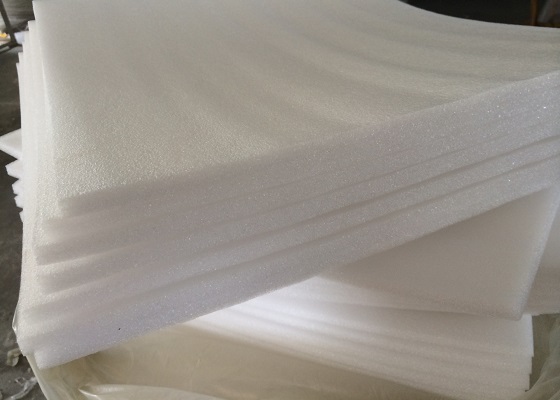
EPE foam is commonly found in protective inserts, wrapping, corner protection and packaging components used for electronic products. Recycling centers may also receive large amounts of EPE when returned products are dismantled, tested and repacked. The main consideration is the amount of space occupied by loose EPE foam. When the foam is stored without processing, it can fill containers quickly and require frequent transportation. This makes the recycling process less efficient, especially for electronics manufacturers handling large volumes of products every week.
EPE Foam Recycling for Electronics Packaging
A suitable EPE foam recycling machine can compress loose foam into dense blocks that are easier to store and transport. This reduces the amount of space required at the factory and allows the recycling center to handle a larger volume without expanding its storage area.
For clean EPE packaging, an EPE foam densifier can provide significant volume reduction. In some applications, the compression ratio can reach up to 90:1. The exact result depends on the foam density, feeding condition, equipment configuration and operating method.
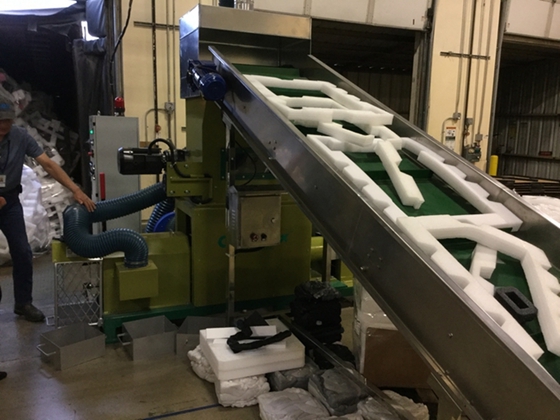
An exhaust system may also be important for electronics manufacturers. With suitable equipment and ventilation, the recycling process can be more comfortable for workers and easier to integrate into an existing production or recycling center.
Electronics Recycling Center Uses EPE Foam Densifier
FLEX operates an electronics recycling center in Austin, Texas, where products are dismantled and tested before being repaired, repacked or sent for further processing. The center handled large quantities of EPE packaging, which accumulated to approximately two large truckloads every week.
The company previously sent the EPE to local recyclers, but the growing volume created storage pressure and made the recycling process less convenient. GREENMAX customized an EPE foam densifier for FLEX, achieving a compression ratio of up to 90:1. After installation, the company reported that the equipment saved considerable space and made daily operation more convenient, while the added exhaust system helped prevent noticeable odor during operation.
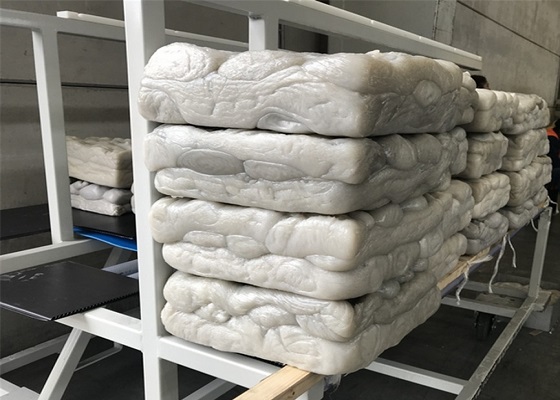
EPE foam recycling can support more than waste volume reduction. It can improve warehouse organization, lower transportation pressure, reduce disposal costs and create additional value from recycled foam. For electronics manufacturers and recycling centers, a suitable EPE foam densifier can become an important part of a more efficient circular manufacturing system.
FAQ
1. Can EPE Foam from Electronics Packaging Be Recycled?
Yes. Clean EPE foam from electronics packaging can generally be collected, compressed and sent to downstream recyclers for further processing.
2. Which Equipment Is Suitable for EPE Foam Recycling?
An EPE foam densifier is commonly used to reduce the volume of loose EPE foam. The suitable equipment depends on foam density, daily volume, available space and downstream recycling requirements.
3. How Much Can EPE Foam Volume Be Reduced?
In suitable applications, an EPE foam recycling machine can achieve a compression ratio of up to 90:1. Actual results depend on foam condition, feeding method and equipment configuration.