
 Select Language
 English
 Spanish
 Polish
 Japanese
 Italian
 French
How EMS Manufacturers Can Turn PE Foam Waste into Revenue in the Nearshoring Era
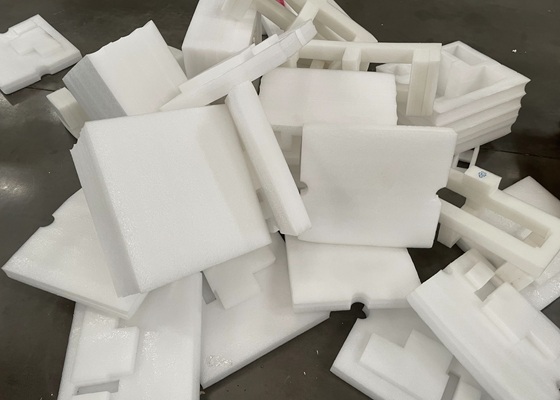
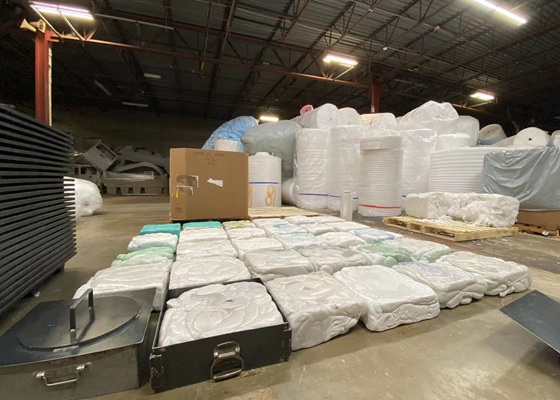
Across major manufacturing hubs in Mexico and other nearshore regions, EMS facilities generate large volumes of PE foam packaging waste every day, including protective inserts, cushioning foam, and packaging blocks. Although lightweight, these materials take up significant warehouse space and quickly accumulate in production and storage areas.
In many cases, companies must allocate labor weekly just to manage foam waste, while disposal costs are calculated by volume rather than weight. As a result, even low-density materials can create disproportionately high handling and logistics expenses.
Hidden Disposal Costs and ESG Audit Pressure
For many EMS manufacturers, operational focus is on production output and delivery schedules. However, PE foam waste is often an overlooked cost driver in daily operations.
Beyond disposal fees, foam waste occupies valuable warehouse space and increases internal handling complexity. Many companies do not clearly track monthly foam disposal costs or evaluate whether their waste management system meets U.S. customer ESG audit requirements.
This gap becomes critical as U.S. brands increasingly require suppliers to demonstrate environmental compliance, waste traceability, and ESG reporting. When asked, “How do you manage your packaging waste?”, companies relying only on landfill disposal often lack a strong answer.
Establishing a structured PE foam recycling process is therefore not only a cost-saving measure, but also a key factor in strengthening customer trust and improving audit performance.
Does PE Foam Recycling Require a Large Investment?
Not necessarily.
The core process is simple: collect, reduce volume, and sell.
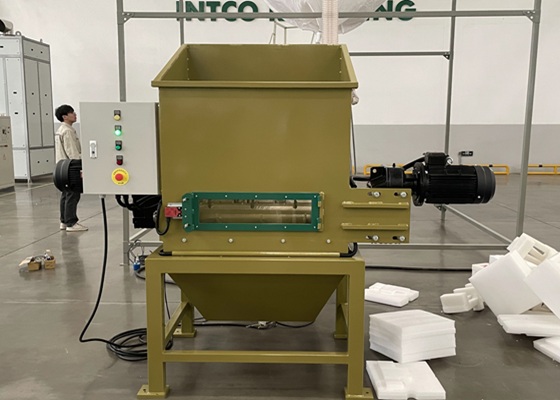
EMS manufacturers do not need to handle pelletizing or material reprocessing in-house. A properly selected foam recycling system can reduce foam volume on-site, allowing compressed blocks or shredded flakes to be sold directly to downstream recyclers.
These recyclers handle granulation, reprocessing, and reuse in new applications. As demand for recycled plastics continues to grow, more packaging manufacturers are incorporating recycled PE content into protective packaging products, driven by sustainability and ESG requirements.
This shift allows factories to move from a cost center (waste disposal) to a value stream (recycled material sales).
Choosing the Right Equipment
Equipment selection depends on the downstream recycling channel.
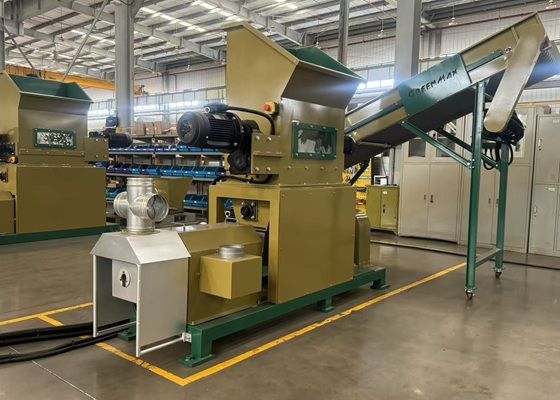
If foam must be transported long distances or consolidated for bulk recycling, a polyethylene foam densifier is recommended. It first crushes foam waste and then compresses it under heat and pressure into dense blocks, achieving up to a 90:1 volume reduction ratio. These blocks are ideal for storage, transport, and export recycling streams.
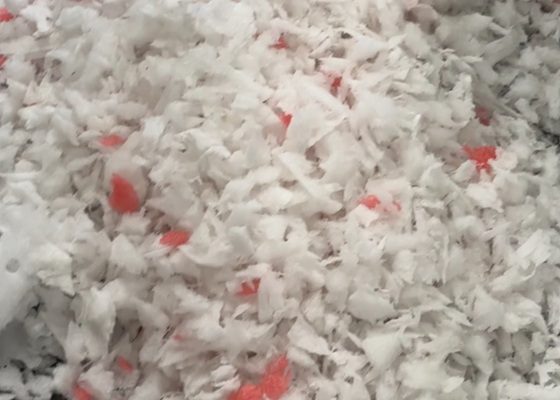
If a local recycler can accept foam flakes directly, a foam crusher is a more efficient option. It reduces PE foam into 1.2–2 inch flakes that can be bagged, stored, and sold locally with minimal processing. This approach simplifies operations and speeds up downstream recycling.
Both types of foam recycling system are designed for low labor requirements. In most cases, one operator can handle weekly batch processing of accumulated foam waste with minimal training.
GreenMax pre-configures system parameters before shipment and provides operation videos, manuals, training support, and WhatsApp-based technical assistance to ensure smooth PE foam recycling implementation.
From Waste Handling to Resource Recovery
As nearshoring accelerates, hidden operational costs such as foam waste management are becoming more visible in daily factory operations.
· Excess PE foam occupies valuable warehouse space and disrupts logistics flow
· It can create negative impressions during supplier audits and factory visits
· It increases internal handling time and labor costs
For EMS manufacturers, PE foam is no longer just waste—it is a recoverable resource. When properly processed, it can be converted into compact blocks or flakes that improve warehouse efficiency and support sustainable operations.
By adopting a foam recycling system, factories can optimize material flow, reduce storage pressure, and demonstrate a structured polyethylene recycling process during customer audits.
In an increasingly competitive EMS supply chain, the ability to present ESG data and a clear recycling system can significantly improve customer confidence and increase order competitiveness.
If your facility is operating at full capacity and PE packaging waste is accumulating in your warehouse, contact GreenMax via WhatsApp with photos and estimated monthly volume.
We will provide a tailored recycling solution and recommend the most suitable equipment based on your operational needs.