 Select Language
 English
 Spanish
 Polish
 Japanese
 Italian
 French
How to Solve the Pileup of EPP Foam Packaging from EV Batteries and Auto Parts in a Compliant and Sustainable Way
In the electric vehicle supply chain, EPP packaging is being used more and more often. Whether for battery and electrical system packaging or for components such as bumper trim and sensor housings, EPP returnable trays, inserts, slots, and dividers are commonly used for protection during transport from lower-tier suppliers to Tier 1 suppliers, then to OEMs, and throughout import and export shipping.
The reason is simple: EPP is lightweight, impact-resistant, provides stable cushioning performance, and can be reused multiple times. That makes it especially suitable for the high-frequency logistics cycles common in the automotive industry. Battery-related packaging in particular requires stronger vibration protection, anti-static support, and transport stability. EPP fits these needs well, which is why its use in EV battery and component transportation continues to grow.
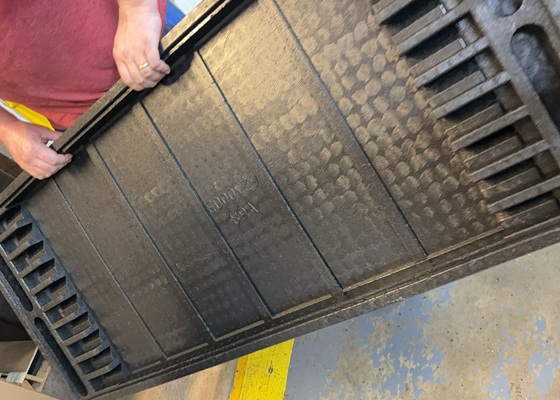
But that also creates a problem. For OEMs and Tier 1 suppliers, parts and batteries keep arriving at the plant while vehicles are gradually assembled on the production line. At the same time, used EPP packaging keeps piling up nearby. Packaging that is still in good condition is usually kept for future reuse, but the portion that has been used too many times or is badly damaged can no longer go back into circulation. Over time, these used EPP returnable boxes, inserts, and dividers take up a large amount of warehouse space and make on-site management more difficult.
An even more practical issue is outbound transportation cost. Although this waste can be shipped to downstream recyclers that accept EPP foam, EPP returnable packaging is bulky and low in density, which means a truck can only carry a limited amount each time. In many cases, transportation is charged by trip or truckload. So even though the material itself is light, the logistics bill is still high.
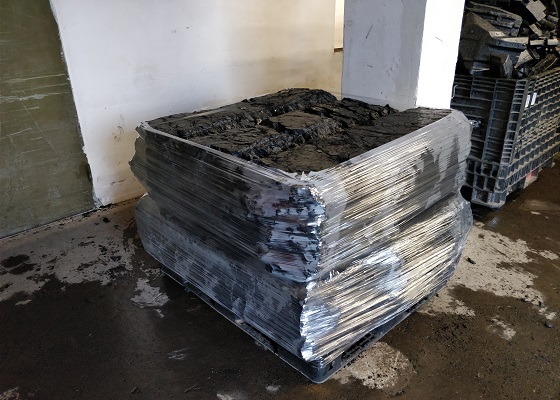
That is why the more common EPP recycling approach in the automotive industry today is not to ship the waste out in its original form. Instead, many plants first reduce the material volume on-site and compress it into blocks, then sell those compressed blocks to downstream recyclers. This allows the same truck to carry much more material, significantly lowers logistics cost per unit, and effectively eases warehouse pressure.
To compress EPP foam, companies typically use an EPP foam densifier, a specialized foam recycling machine. The machine first breaks large returnable boxes, inserts, and other packaging waste into relatively uniform pieces. A screw system then continuously compresses the material so it gradually forms into a dense block. At the discharge end, a surface melting unit briefly heats the outside of the block and then cools it quickly, helping the block hold its shape and stay intact during transportation.
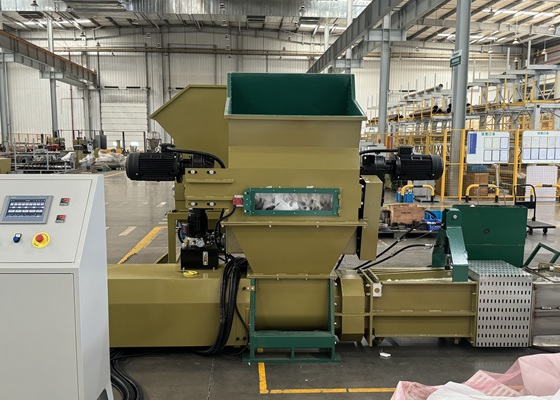
That is the basic working principle of the GreenMax Zeus series foam compactor. This machine offers a compression ratio of up to 50:1 and is specifically designed for EPE and EPP foam. While reducing energy consumption, it also produces more stable and durable compressed blocks. The output block cross-section measures 380 × 380 mm, and the cutting length can be adjusted based on processing needs. The finished blocks are uniform in size, making them easier to stack, load, and sell to downstream recyclers.
Today, using an EPP foam densifier to reduce the volume of large amounts of packaging waste has become a common form of EPP packaging recycling in automotive assembly plants and related facilities.
Some companies, however, are still hesitant to launch new projects, evaluate new equipment, or make additional investments. Instead, they choose to pay third-party recyclers to collect the waste or simply send it to landfill. But third-party pickup may not always be timely or stable, and landfilling is not only expensive to transport but also far less sustainable. As packaging recyclability requirements continue to tighten under policies such as the PPWR, the need for a compliant and environmentally responsible way to handle packaging waste is becoming more urgent.
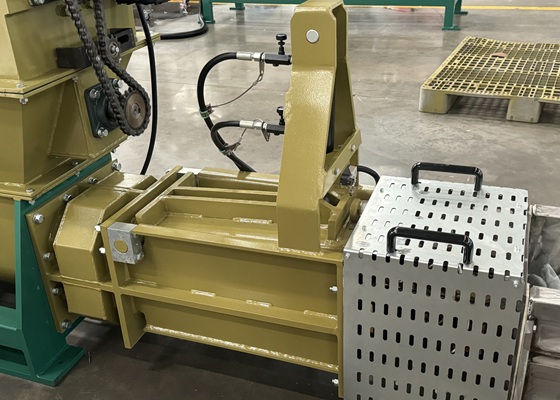
A foam compactor offers several practical advantages. It allows waste to be processed directly at the plant, compressing loose EPP packaging waste into neat blocks and relieving warehouse space pressure. These compressed blocks can also be sold to downstream recyclers, helping companies reduce their original hauling, disposal, or landfill costs while creating some recycling value. At the same time, planning ahead for EPP recycling helps businesses stay aligned with increasingly strict environmental requirements.
For the EV supply chain, EPP packaging is an important tool for protecting batteries and components during transportation. But once the transport job is done, efficiently recycling that packaging becomes a new management challenge. The earlier a company builds a stable EPP packaging recycling process, the more control it has over warehousing, logistics, and recycling costs.
At this stage, EPP foam densifiers remain one of the most cost-effective and practical recycling solutions available.
If you would like to learn more, feel free to contact GreenMax.
Common Questions About Packaging Waste Handling in Auto Assembly
1. Why is it better to compress EPP packaging before shipping it out?
Because the biggest issue with EPP packaging is not weight, but volume. By using an EPP foam densifier first, companies can greatly improve transportation efficiency and lower logistics cost per unit before sending the material to downstream recyclers.
2. Are there enough buyers for compressed EPP blocks? Could a company buy the equipment and still struggle to sell the blocks?
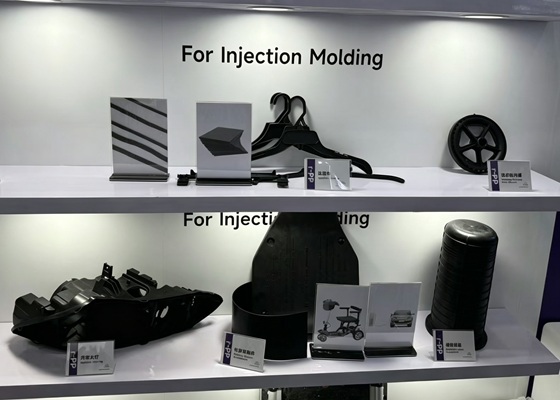
Compressed EPP blocks can be pelletized into PP resin and then used again to make returnable dividers, cushioning and filling parts for automotive applications, and other recycled PP products. If you are concerned about finding buyers after purchasing equipment, GreenMax can also help connect you with downstream buyers and support the development of a more reliable recycling sales channel.