 Select Language
 English
 Spanish
 Polish
 Japanese
 Italian
 French
Melting-Detection and Anti-Melting Devices Make Cold-Press Polystyrene Compactors Run Smoother
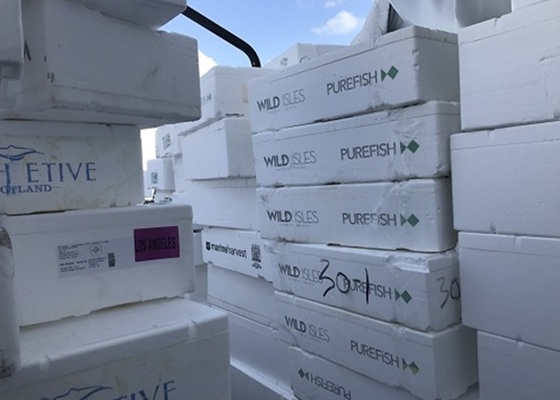
In some parts of the U.S., the fishing industry is highly developed. States like Alaska and the New England region produce large amounts of seafood each year that require cold-chain transportation. To keep products fresh and reduce costs, many fish are packed in polystyrene (EPS foam) boxes.
However, once used, these fish boxes and foam packaging often pile up. Without recycling, they take up storage and transport space and can cause serious marine pollution. As a result, more and more fish vendors are turning to cold-press polystyrene compactor to recycle EPS fish boxes.
In practice, GREENMAX has upgraded and optimized its equipment to run more smoothly, making EPS recycling easier and more reliable for fish vendors.
Why do fish vendors choose a cold-press polystyrene recycling machine?
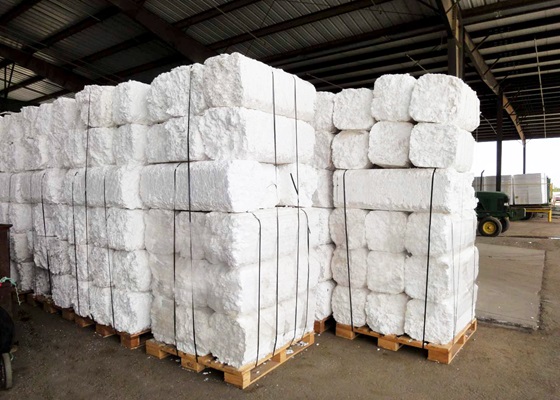
Compared with hot-melt machines that offer a higher compression ratio (90:1), the cold-press polystyrene compactor (50:1) is better suited for recycling foam that contains moisture, such as EPS fish boxes, buoys, and fruit or vegetable boxes.
1. Low energy consumption: Using screw compression technology, it requires no high-temperature heating. Energy use is lower, and operating costs drop significantly.
2. Handles wet foam: Fish boxes often contain residual water or even fish secretions. A cold-press polystyrene recycling machine can still efficiently complete EPS recycling, compressing foam into dense blocks that are easier to transport and store.
3. Upgraded anti-corrosion parts: Considering the corrosive nature of seawater, GREENMAX has upgraded key components to stainless steel, effectively resisting corrosion and extending the machine’s service life.
Cold-press Common Issue — Over-melting
Traditional cold-press polystyrene compactors often face a common problem: over-melting.
During high-intensity compression, friction between the foam, the screw, and the chamber wall causes localized heat, which leads to surface melting. As a result:
• The foam surface becomes overly hardened, lowering the quality of compressed blocks and making later crushing and pelletizing more difficult.
• The material properties change, affecting downstream recycling uses such as re-pelletizing for XPS board production.
GREENMAX Anti-Melting Solution
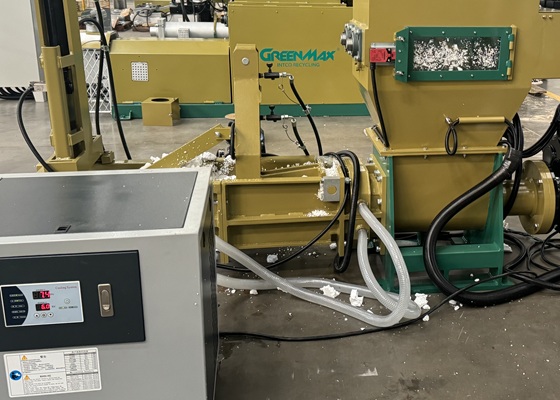
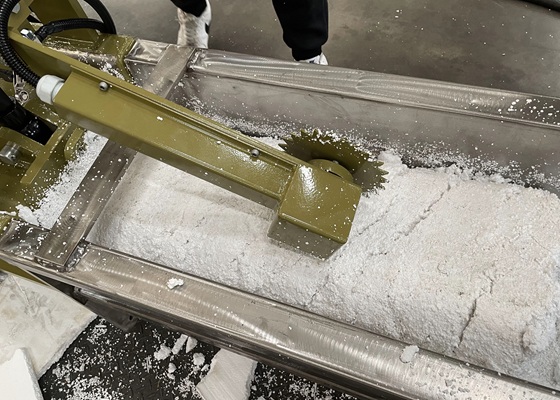
To make EPS recycling smoother and more efficient, GREENMAX has developed two measures to address this issue:
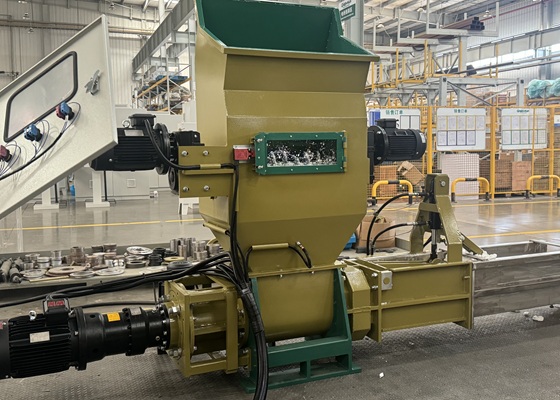
1. Melting detection device: A small gear is added at the discharge outlet, which slowly rotates as compressed foam blocks are discharged. If the gear stops rotating for a long time, the polystyrene compactor automatically triggers an alarm, alerting operators to potential melting risks so they can check local temperatures and take cooling measures in time.
2. Water-cooling system: A water-cooling unit is installed at the most melt-prone position of the polystyrene recycling machine. Circulating water cools the area during operation, effectively controlling temperature. This allows continuous, efficient processing of wet foam while ensuring the quality of compressed blocks and preventing over-melting.
With the growth of the green and circular economy, EPS recycling is no longer just an environmental requirement—it has also become an effective way for businesses to cut costs and increase profits. Through innovative upgrades, GREENMAX makes polystyrene recycling machines run more smoothly, fish box recycling more efficient, and operations easier for businesses.
Choose the GREENMAX polystyrene compactor to make your recycling more efficient and eco-friendly, while providing solid sustainable support for the development of fisheries and manufacturing in Latin America.