 Select Language
 English
 Spanish
 Polish
 Japanese
 Italian
 French
Overlooked Polystyrene Recycling Solutions in Advertising Model Cutting
In the advertising and display industry, polystyrene (EPS foam) is widely used for advertising letters, exhibition models, stage sets, and festive decorations due to its easy shaping, light weight, and low cost. Through cutting and carving, EPS can create delicate text and designs, making it a common material in this sector.
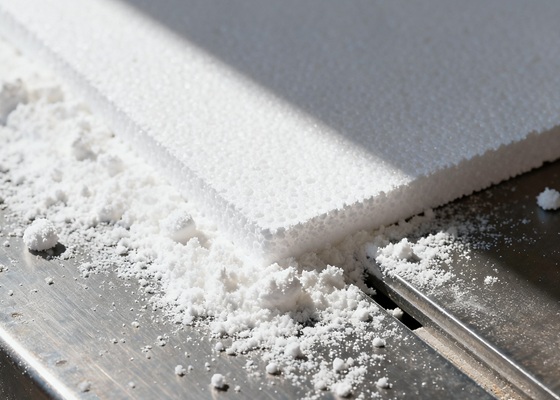
However, the cutting process generates large amounts of offcuts, scraps, and dust. If discarded directly, these wastes not only waste resources but can also pollute the environment. GREENMAX foam densifier efficiently processes cutting waste and also recycles EPS advertising letters and models after use, preventing landfill disposal and achieving both environmental protection and resource recovery.
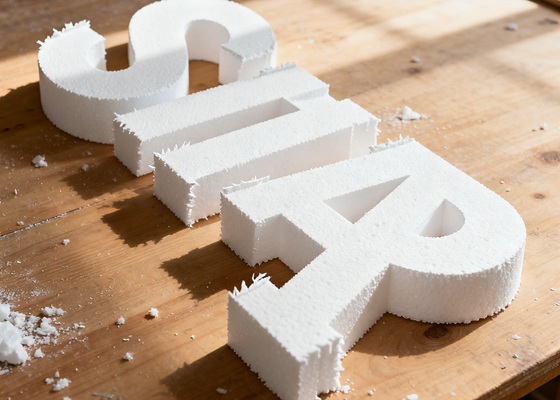
Recycling of Offcuts and Used EPS Models
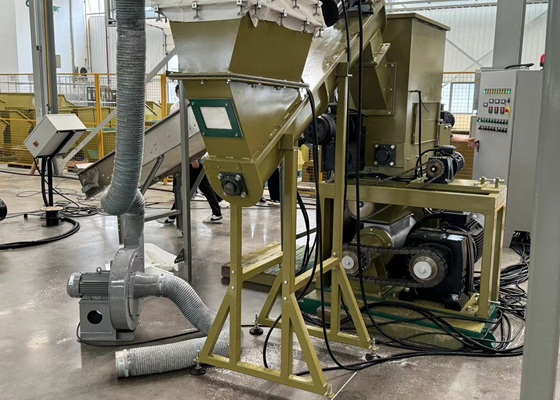
A single polystyrene hot melting machine requires only a small space in the warehouse to turn large volumes of cutting offcuts and display waste into dense recycled blocks. Using hot-melt densification technology, polystyrene waste is quickly compressed at a ratio of 90:1 into high-density blocks. These recycled blocks not only reduce volume for easier transport and storage but can also enter the recycled plastics supply chain, where downstream factories use them to produce new products, achieving effective polystyrene recycling.
The waste is fed into the machine, where it is powerfully shredded into uniform EPS pieces, then melted into liquid in the foam densifier’s heating chamber and extruded by the screw into shape.
The entire operation is very simple:
1. Press the start button;
2. Feed the material;
3. Wait for the foam blocks to form and perform a quick cleanup.
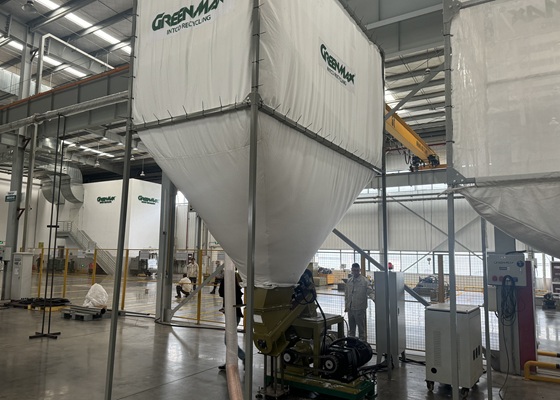
This simple operation is possible because GREENMAX foam densifier uses high-temperature melting technology to reduce and compact foam waste. Before delivery, our engineers preset the operating parameters—such as screw speed and melting time in the heating chamber—based on the customer’s actual waste conditions (volume, density, moisture, etc.). Multiple trial runs are performed to ensure the equipment precisely meets the customer’s polystyrene recycling requirements.
Recycling of Polystyrene Scraps and Dust
In addition to handling block-shaped polystyrene waste, GREENMAX has considered the specific recycling needs of this industry and added an EPS dust recycling system. Scraps and dust are drawn through pipelines directly into the heating and compaction chamber of the polystyrene hot melting machine, where they melt and are extruded together with other EPS pieces. Operators only need to guide the suction pipe to collect the dust—just like using a vacuum cleaner to sweep the floor.
Buy densified EPS blocks: Waste Reuse and Value Creation
So, how should these processed EPS blocks be handled?
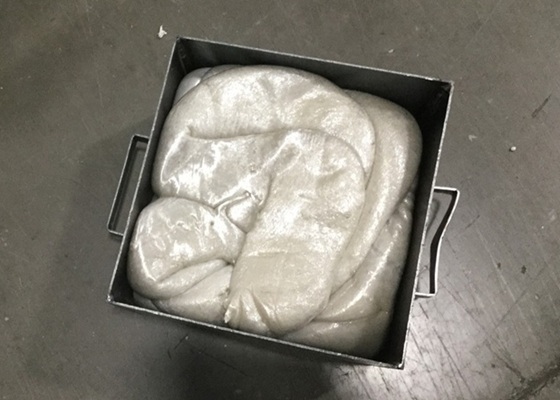
It’s simple — the high-density compressed blocks can be sold directly to local recyclers. And if you don’t want the hassle of finding buyers, GREENMAX also provides a buy densified EPS blocks service, helping you achieve a one-stop polystyrene recycling process from compression to sales.
Today, EPS recycling has become an industry trend, with demand for recycled EPS continuing to grow. The large amount of cutting waste generated in the advertising industry is actually a high-quality recycling resource. For example, INTCO Recycling—one of the world’s leading manufacturers of eco-friendly building materials and the parent company of GREENMAX—purchases large volumes of recycled EPS blocks every month to produce products such as outdoor decking and acoustic wall panels.
Advertising cutting has long been an overlooked pain point in EPS recycling. By using a professional foam densifier, companies can not only reduce disposal costs but also generate additional revenue. With GREENMAX’s polystyrene recycling solutions, EPS waste from the advertising industry will no longer be wasted but reborn—achieving both environmental protection and economic benefits.