
 Select Language
 English
 Spanish
 Polish
 Japanese
 Italian
 French
The “Hidden Gold Mine” of Aluminum Can Recycling: What Are Recyclers Missing?
The United States is one of the largest consumers of beer and soft drinks in the world. Industry data shows that billions of aluminum cans are consumed annually, mainly generated from bars, restaurants, hotels, sporting events, and large-scale festivals.
At the same time, recycling regulations across U.S. states are becoming stricter. The Deposit Return System (DRS) is being introduced or tested in several regions, and where implemented, aluminum can recycling rates have significantly improved. Although the U.S. has not yet adopted a nationwide deposit system, the overall direction is moving toward tighter regulation and higher recycling efficiency.
An Overlooked High-Density Seasonal Market
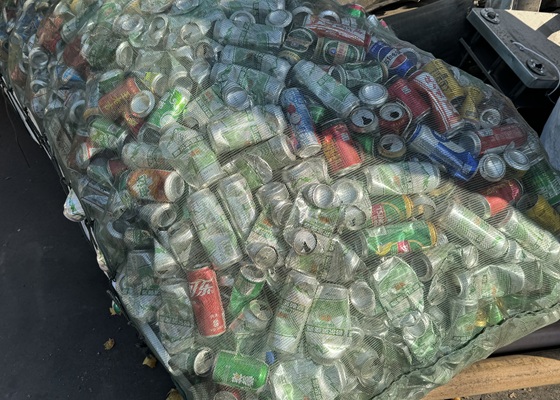
In real operations, many bars, hotels, and venues still dispose of beverage cans as general waste. During peak seasons and major events in regions such as Florida, California, and Las Vegas, large volumes of cans are generated daily, quickly overwhelming waste containers and collection systems.
On the surface, this looks like a municipal waste issue. But from a recycling industry perspective, it represents a highly predictable and recurring opportunity: the seasonal surge of aluminum cans.
For recyclers, those who can efficiently handle this concentrated wave of aluminum can recycling demand will secure more stable and long-term profitability. This is a key market entry window driven by both policy changes and rising recycling demand.
The Core Challenge: Improving Processing Capacity
Recyclers face three main challenges in recycling soda cans: wet cans, high transportation costs, and strong seasonal fluctuations.
First, wet cans containing leftover beverages or ice reduce payload efficiency by more than 30% and increase cleaning costs. Second, due to their low density, a truck typically carries only about one ton without compaction, resulting in high logistics costs. Third, during peak tourism seasons, can volumes may increase three to five times, exceeding processing capacity and leading to lost opportunities.
The core issue is not collection volume, but processing efficiency. Moisture instability, low density, and high handling costs significantly reduce profitability if not addressed at the source.
Therefore, industry competition is shifting from “collection scale” to “processing capability”—whoever can efficiently convert cans into high-density, low-cost transportable material controls the profit margin.
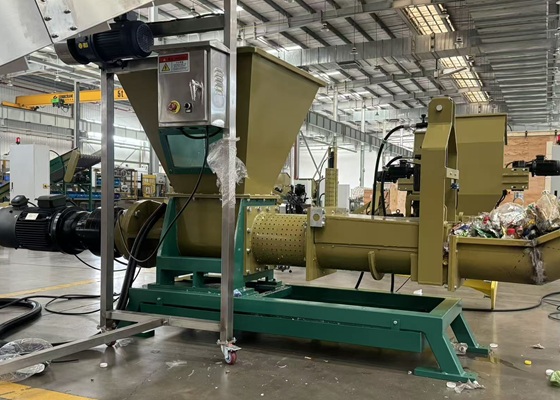
GREENMAX Dewatering Compactor: One-Step Dewatering and Compaction
To address these challenges, GREENMAX introduces the Poseidon series can recycling machine, designed to solve wet, bulky, and high-cost issues in one integrated system:
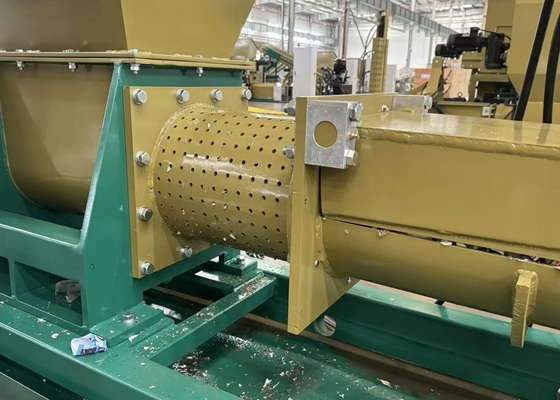
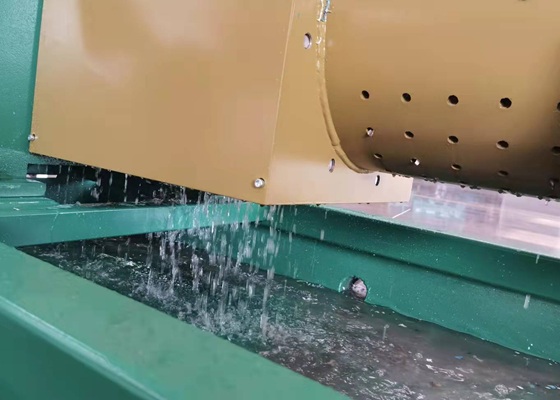
1. Automatic dewatering: Screw pressing and liquid collection system remove residual liquids and ice with up to 90% efficiency, while an inclined discharge design improves drainage circulation.
2. High-efficiency compaction: The dewatering compactor reduces can volume to 1/10, increasing truck loading capacity from about 1 ton to up to 5 tons, significantly lowering transportation costs.
3. Centralized liquid discharge: Collected liquids are directed into a tray and discharged through pipelines to designated containers, reducing on-site contamination.
4. Simple operation, adaptable for recycling soda cans: Compact design suitable for recycling stations and temporary collection points; requires only one operator and runs automatically after startup.
Multi-Material Processing Capability
In addition to aluminum can recycling, this can recycling machine can also process liquid-containing packaging such as plastic bottles, milk cartons, yogurt cups, and shampoo containers.
The system efficiently separates liquid from packaging while compacting materials, handling hundreds of kilograms per hour to meet seasonal peak demand. It also ensures 100% destruction of packaging to prevent re-entry into the market.
After aluminum can compaction, processed materials can enter downstream recycling streams, while separated liquids may be used for biogas generation or livestock feed, maximizing resource value.
From Recycling Operations to Stable Cash Flow
Once standardized, the value of aluminum cans depends less on volume and more on processing efficiency and output quality. High-density, dewatered cans integrate more easily into the secondary aluminum supply chain and achieve more stable and predictable market pricing.
If deposit return systems (DRS) expand further in the U.S., recyclers equipped with dewatering and compaction systems will gain a clear competitive advantage. They will be required to process higher volumes with stricter standards for cleanliness, density, and efficiency.
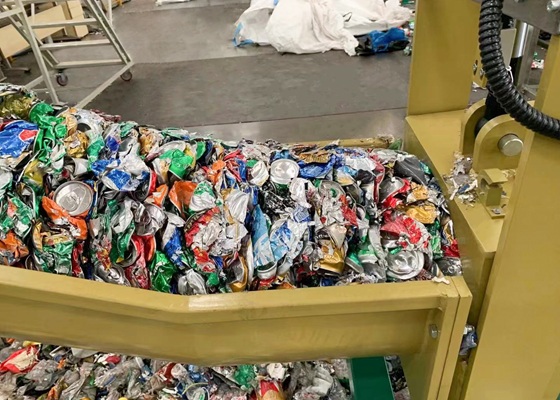
The core opportunity in the U.S. market comes from three consistent drivers: high consumption, seasonal tourism and event-driven spikes, and expanding deposit regulations.
The aluminum can recycling industry is not a short-term fluctuation market but a long-term structural opportunity with recurring annual cycles.
The real differentiation is no longer about how much is collected, but how efficiently recycling soda cans can be processed.
With a professional dewatering compactor, recyclers can convert low-value waste into high-density standardized material, turning seasonal volatility into predictable and stable cash flow.