 Select Language
 English
 Spanish
 Polish
 Japanese
 Italian
 French
Which EPP Recycling Technology Is the Better Fit? — Cold Compaction vs. Thermal Melting
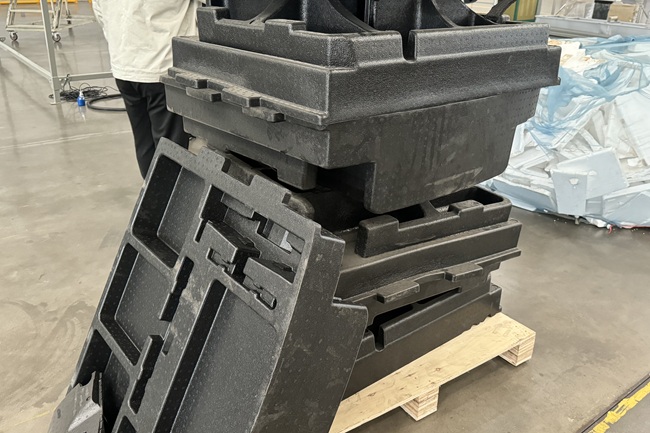
As companies worldwide place greater emphasis on sustainable production and waste management, the use of EPP (expanded polypropylene) is growing rapidly across packaging, automotive, and home appliance industries. In parallel, EPP recycling technologies are advancing quickly.
In Germany and across Europe, the two most established and widely used volume-reduction methods are cold compaction (EPP compactor) and thermal melting (foam densifier). Both technologies compress lightweight EPP foam into high-density blocks, which are then sent to downstream recyclers for further granulation and processing.
1. Two mainstream EPP foam recycling technologies
1) Cold compaction
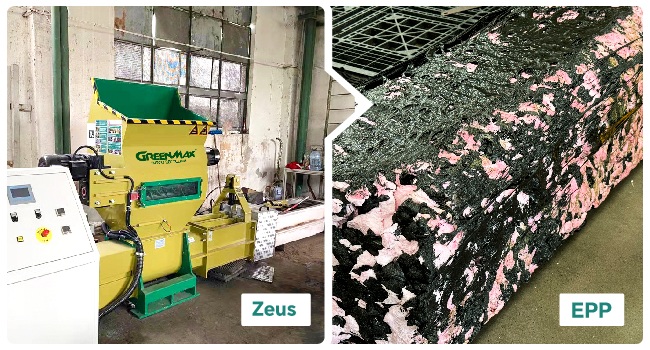
Cold compaction reduces volume through a combination of screw-based mechanical compression and light surface heat treatment. It preserves the material properties of EPP and produces stable, non-crumbly blocks that are easy to store and transport.
Taking the GreenMax cold-press EPP compactor Zeus series as an example:
• Volume reduction of up to 50:1
• Powerful screw compression removes air from the foam
• Output blocks are dense, compact, and easy to stack and ship
• Retains the basic polypropylene properties, allowing efficient downstream re-pelletizing
2. Thermal melting technology
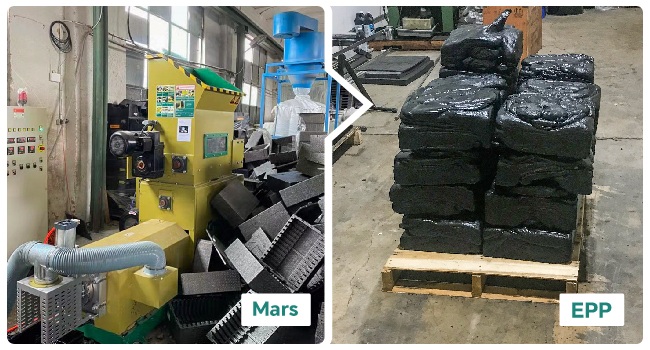
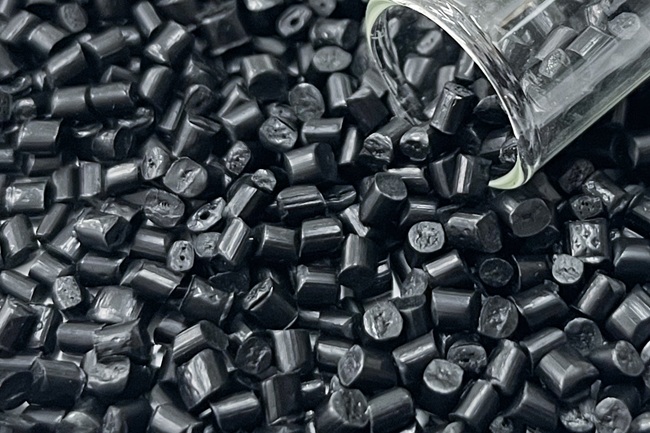
A foam densifier uses a high-temperature melting system to directly melt foam and extrude it into high-density solid blocks. This process achieves greater volume reduction and higher weight per unit volume. As a result, some downstream recyclers prefer melted blocks, since more EPP waste can be loaded per truck, improving transport efficiency and EPP recycling margins.
Using the GreenMax thermal foam recycling machine Mars series as an example:
• Volume reduction of up to 90:1
• Nearly eliminates internal air, producing very dense melt blocks
• Minimizes floor and storage space, significantly lowering logistics costs
2. Market value and downstream demand: cold-compacted EPP has an edge
Although the Mars series foam densifier delivers a higher volume-reduction ratio, cold-compacted EPP generally achieves better market prices and stronger demand in practice.
Blocks produced by the Zeus series EPP compactor are “physically compacted,” preserving the original properties of EPP as much as possible. This makes them more attractive to pelletizing plants because:
• the re-melting and pelletizing process is more stable and controllable
• there is no thermal degradation from high temperatures
• pellet quality, color, and melt flow index remain more consistent
By contrast, thermally melted blocks may show slight scorching or yellowing due to high heat, along with greater MFI fluctuations during pelletizing. This limits their use in high-grade applications and reduces market acceptance.
In addition, EPP blocks usually need to be shredded before pelletizing:
• cold-compacted blocks have moderate density, are easier to shred, and cost less to process
• melted blocks are extremely dense and require heavier shredding equipment, increasing energy use and handling costs
Overall, cold-compacted EPP better matches market needs and delivers higher economic value.
3. Environmental impact and energy use: cold compaction preferred
Cold-compression EPP compactors rely on purely mechanical compression with no high-temperature melting, resulting in significantly lower energy consumption than thermal foam recycling machine.
In addition, thermal melting may generate odors from heated PP, while cold compaction produces no fumes or smoke, making it more environmentally friendly and easier for customers to accept.
4. On-site demos and test runs welcome
To help customers better understand the real-world performance of cold compaction versus thermal melting in EPP recycling, we offer:
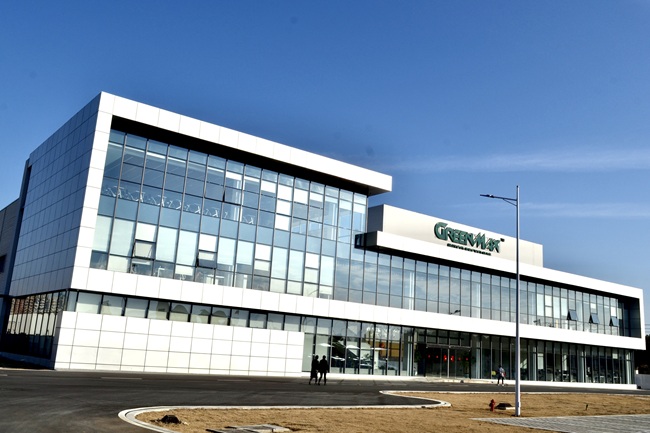
• Visits to the GreenMax facility for equipment demos and test runs
• On-site visits to nearby companies operating foam recycling machines
This allows customers to directly evaluate throughput, block quality, and ease of operation, and choose the solution that best fits their needs.