 Select Language
 English
 Spanish
 Polish
 Japanese
 Italian
 French
Compaction or Pelletizing? GREENMAX Explains Two EPP Recycling Methods
With the rapid growth of the automotive, logistics, and home appliance industries, the use of EPP foam packaging has been steadily increasing year after year. This material is lightweight, impact-resistant, and recyclable—but once discarded, it often piles up, creating a headache for businesses.
So, how can EPP waste be efficiently managed and brought into the circular economy?
The answer: EPP Compactor and GREENMAX Pelletizing Machine.
These are two mainstream EPP recycling solutions designed to meet different recovery needs. In simple terms, the waste is first compressed into dense blocks using an EPP compactor. It is then transported to downstream recyclers equipped with a GREENMAX pelletizing machine, where it is processed into reusable PP pellets.

Volume Reduction Recycling — Simple and Efficient
For companies that want a straightforward recycling solution—reducing environmental pressure and quickly clearing piles of EPP waste—such as auto manufacturers with large amounts of EPP packaging or logistics firms facing limited storage space, the EPP recycling machine is the ideal choice.
This equipment shreds loose EPP foam and compresses it into dense blocks using a screw system. At the outlet, the block’s surface is melted at high temperature and rapidly cooled, achieving a compaction ratio of up to 50:1. GREENMAX EPP compactor uses “screw compression + surface hot-melt solidification,” ensuring low energy consumption and stable compression results, while effectively preventing block loosening or rebound.
The compacted EPP blocks not only save significantly on transportation and storage costs, but they can also be sold directly to downstream pelletizers—turning waste into immediate profit.
For automotive or logistics companies, installing an EPP compactor delivers three key benefits:
1. Quickly clear out accumulated EPP waste;
2. Save on recurring foam disposal costs and turn waste into revenue;
3. Build a strong ESG image and easily comply with environmental policies.

Pelletizing Recycling — Maximizing Value
For companies with recycling experience and a long-term commitment to the field, pelletizing is the more advanced method of EPP recycling.
Through crushing, melting, strand extrusion, and pelletizing, EPP waste can be transformed into high-quality recycled EPP pellets. These pellets are widely used in automotive parts, appliance packaging, sporting goods, construction materials, and more. With stable market demand and higher economic value compared to compacted blocks, pelletizing offers recyclers significantly greater profitability.
Of course, GREENMAX pelletizing machine requires a higher initial investment and stricter process control. But even if you’re new to pelletizing, there’s no need to worry. GREENMAX provides end-to-end expanded polypropylene recycling support—from equipment selection and process optimization to market connections and profit strategies—helping you seamlessly enter the circular economy.
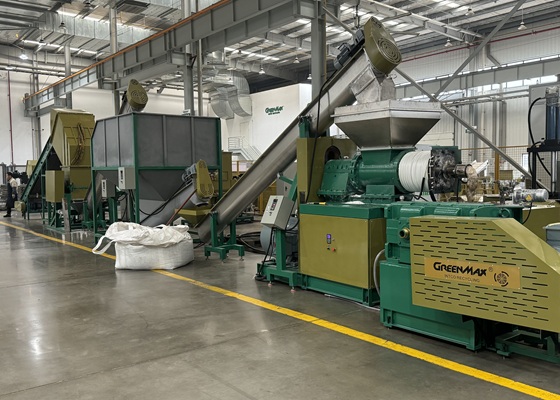
The Difference Between Compaction and Pelletizing
Compaction Recycling: Simple to operate, low investment, and fast results—ideal for companies just entering the EPP recycling industry. By selling compressed blocks, businesses can typically recover the cost of an EPP compactor within 1–2 years and continue generating steady profits.
Pelletizing Recycling: Better suited for companies with recycling experience or long-term plans. Although the investment is higher and the process requires stricter technical control, the added value is much greater. This method produces recycled PP pellets that can go directly into downstream applications, offering a far more attractive profit margin.
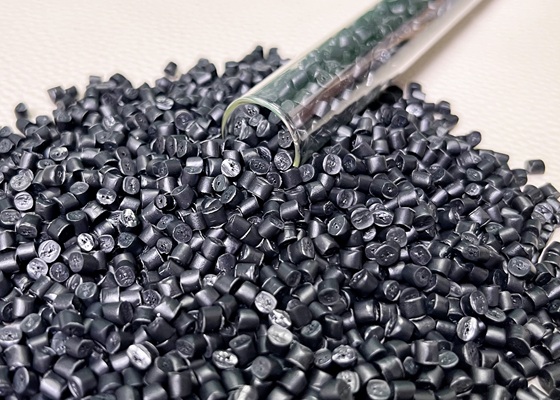
No matter whether your goal is simply to handle piled-up EPP packaging or to fully engage in the expanded polypropylene recycling value chain, GREENMAX offers the right solution for your business. Let the EPP recycling machine and the GREENMAX pelletizing machine open up a new path of green growth for your company.