
 Select Language
 English
 Spanish
 Polish
 Japanese
 Italian
 French
Stop Opening and Draining Bottles by Hand: A Dewatering Machine Drains and Compacts in One Step
The Most Difficult Beverage Waste Is Not an Empty Bottle, but a Full One
Beverage production lines generate a certain number of rejected bottles every day. However, the most difficult waste streams are often full batches of expired beverages, old inventory after a packaging change, distributor returns, and products that remained unsold for too long.
These containers may still hold juice, soda, tea, dairy beverages, or other liquids. Some products may have already fermented, causing bottles to swell, deform, or leak. Unlike empty bottles, they cannot be compacted immediately. The liquid must first be removed and separated from the packaging.
For this reason, PET bottle recycling becomes more complicated when plants must process full bottles rather than clean, empty containers.
Many facilities still rely on manual handling. Workers open palletized cases, remove or loosen caps, pour out the liquid bottle by bottle, and place the empty containers into waste bins. When thousands of cases must be processed, a full crew may spend several days on the job, creating additional labor, sanitation, and recycling-quality concerns.
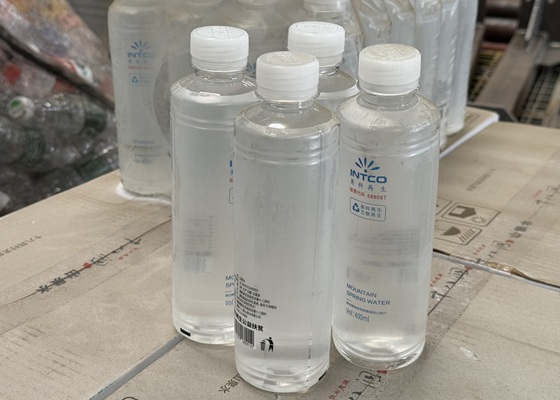
Challenge 1: Manual Processing Cannot Keep Up With Large Disposal Batches
Beverage waste is not always generated in small, steady volumes. A formula change, label update, packaging redesign, product recall, or large distributor return can suddenly create tens or even hundreds of tons of full bottles.
Manual opening and draining are slow. During peak production periods, beverage plants may already face labor shortages, making it difficult to assign an entire crew to the task for several days. For high-volume beverage bottle recycling, simply adding more workers does not solve the underlying efficiency problem.
The quality of manually processed bottles can also vary. Some containers may retain liquid, while caps, labels, cardboard, and other packaging materials remain mixed together. Recycling companies may reject wet or heavily contaminated PET bottles or offer a lower purchase price.
As a result, the plant spends more on labor while receiving less value from the recovered packaging. Additional hauling or disposal fees may also apply.
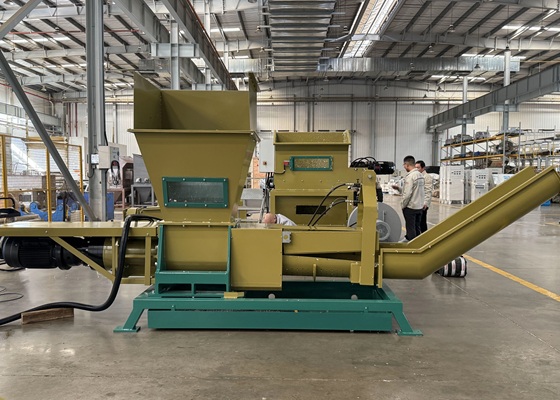
Challenge 2: Residual Liquid Creates Odor and Sanitation Problems
This is one of the most frequently underestimated issues in PET bottle recycling.
Sugar, juice, and dairy ingredients in expired beverages can ferment quickly at room temperature. Bottles may swell, deform, and begin to leak. Sour odors can spread through the storage area, while flies, insects, and rodents may be attracted to the waste.
If full bottles remain in storage for several days, wastewater and odors can affect a much larger area and may create risks for nearby raw materials or finished products. Third-party waste haulers may also charge more to handle leaking or decomposing beverage waste.
The first priority is therefore not simply to compact the bottles. The plant must quickly remove the liquid, control contamination, and restore clean working conditions.
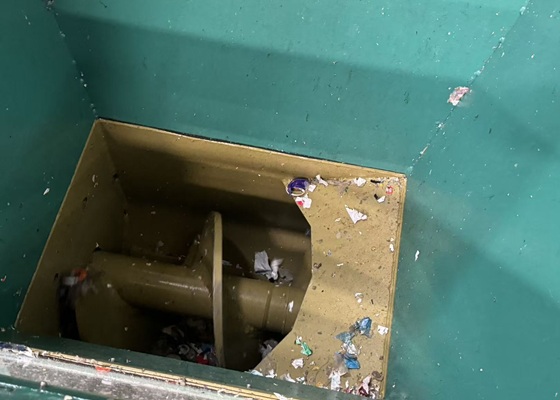
GREENMAX Poseidon: Automated Liquid Separation and Bottle Compaction
For expired beverages, returned products, and full bottles removed from sale, manual draining is inefficient. At the same time, a conventional baler is not designed to handle large amounts of liquid inside the containers.
GREENMAX Poseidon uses an automated draining and continuous compaction process. With one dewatering machine, a beverage plant can separate the liquid and reduce the volume of full containers in a single operation.
1. Continuous Feeding Reduces Manual Labor
Full beverage containers can enter the equipment continuously through a conveyor or feeding system. Workers do not need to open and drain every bottle by hand.
Operators mainly manage loading and routine equipment checks, significantly reducing labor requirements. This setup is especially useful for large batches of expired beverages, returned products, and unsold inventory.
2. Automatic Draining and Centralized Liquid Collection
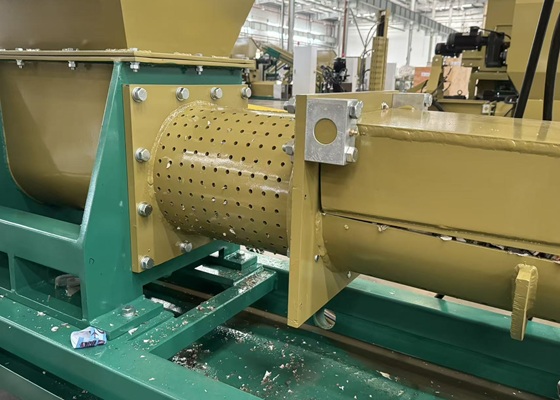
The Poseidon PET bottle compactor uses screw pressure to break and compress the containers, forcing juice, soda, tea, dairy beverages, and other liquids out of the packaging.
The separated liquid is directed through the collection system beneath the machine. It can then be transferred to a storage tank or connected to the plant’s existing wastewater treatment system.
This process helps prevent liquid from spilling onto the floor or remaining inside the bottles. It reduces leakage, fermentation, odors, and contamination in the work area. Depending on the beverage type, the collected liquid can also be transported or treated separately.
3. Draining and Compaction Take Place at the Same Time
After the liquid is removed, the containers continue through the screw compaction process. The discharged material contains less residual liquid and occupies far less space, with a volume reduction ratio of up to 10:1.
A bulk bag or collection bin can be placed directly at the discharge point. The processed packaging falls into the container automatically, further reducing manual handling.
Compacted bottles are easier to store, load, transport, bale, and prepare for downstream recycling.
Why Is Poseidon Well Suited for PET Bottle Recycling at Beverage Plants?
· Handles sudden disposal batches: large quantities of expired beverages can be processed according to a planned schedule without temporarily pulling an entire crew from production.
· Automatically removes liquid: beverages are quickly separated from their containers, reducing leaks, fermentation, and odors.
· Relieves storage pressure: bottles are drained and compacted in the same process, allowing more material to be stored in less space.
· Supports plant sanitation: separated liquids can be collected in a tank or sent to an existing wastewater treatment system.
· Improves disposal records: plants can document processed volumes, compacted output, and recycling or disposal receipts to verify that expired products were properly destroyed.
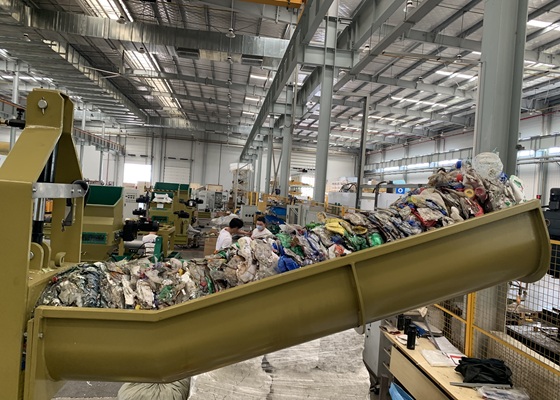
One Dewatering Machine Solves Three Core Problems
· Reduces manual bottle opening and draining.
· Provides centralized liquid collection for further treatment.
· Reduces packaging volume to improve storage, transportation, and recycling efficiency.
For a beverage plant, expired bottles are not ordinary plastic waste. They create a combination of liquid leakage, sanitation risks, storage pressure, and labor costs.
In beverage bottle recycling applications, the GREENMAX Poseidon PET bottle compactor automatically drains and compacts full containers, helping plants establish a cleaner, more automated, and more consistent waste-handling process.
For processing expired beverages, returned products, or unsold inventory, contact GREENMAX. The dewatering and compaction system can be configured according to the container type, beverage content, and required processing capacity.