 Select Language
 English
 Spanish
 Polish
 Japanese
 Italian
 French
EPP Packaging Is Light but Bulky: How Auto Parts Companies Turn Waste into Value with an EPP Foam Compactor
Why Do Auto Parts Assembly Plants Generate So Much EPP Waste?
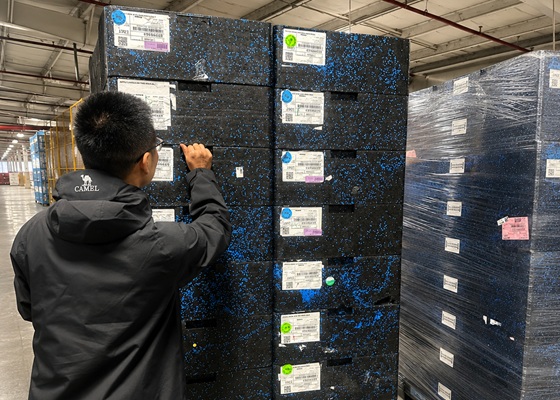
Automotive supply chains are highly distributed. An assembly plant may receive electronic modules, precision components, interior parts, and other products from multiple suppliers every day. To prevent impact, scratches, and vibration during transportation, expanded polypropylene (EPP) is commonly used for returnable totes, molded inserts, pallet liners, and part dividers.
Although EPP packaging can often be reused many times, repeated transportation eventually leads to damage, deformation, or breakage. Custom EPP inserts can also become obsolete when part dimensions or models change. Some packaging is designed for one-way transportation, while contaminated or damaged packaging may no longer be suitable for reuse.
As a result, even though auto parts assembly plants do not manufacture EPP, they can continuously generate and accumulate large volumes of used EPP packaging.
If EPP Is So Light, Why Is It Difficult to Handle?
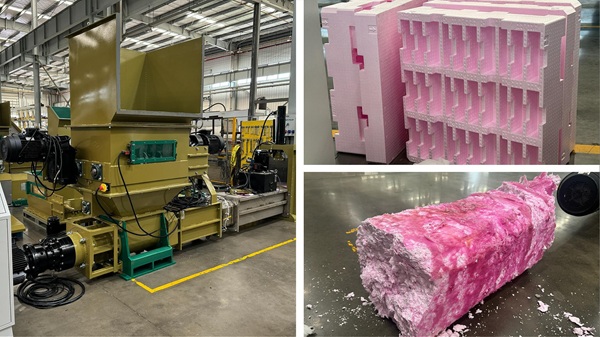
The main challenge with EPP waste is simple: it is lightweight but extremely bulky.
Loose EPP can quickly fill warehouse space. If it is hauled away without being compacted, much of the truck's capacity is essentially transporting air. This lowers transportation efficiency and increases pickup frequency and hauling costs.
EPP is also tough and resilient. High-density EPP commonly used in automotive packaging can be more difficult to compress than standard EPS. If the wrong equipment is selected, volume reduction may be limited while machine load and wear increase. Equipment that is too complicated to operate may also require dedicated personnel and add labor costs.
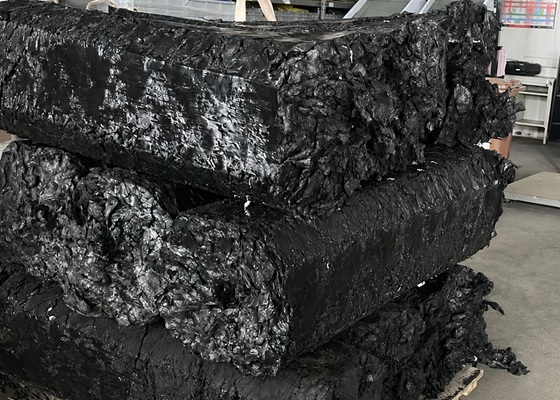
For auto parts companies, EPP foam recycling should therefore go beyond simply hauling waste away. A suitable and easy-to-operate EPP foam compactor can compress loose packaging waste into dense, manageable blocks inside the facility before the material is sold to recyclers or EPP product manufacturers.
How Does a GREENMAX EPP Foam Compactor Help?
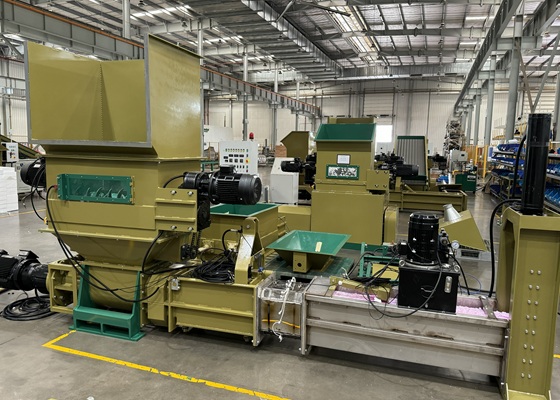
For auto parts facilities that continuously generate EPP packaging waste, GREENMAX can recommend an appropriate EPP recycling machine based on material density and size, daily waste volume, and required operating hours.
Through screw-based crushing and compression, bulky EPP waste can be converted into smaller, denser blocks. This provides several practical benefits:
· Reduce the space occupied by EPP waste in production and storage areas;
· Lower pickup frequency, improve truck loading efficiency, and reduce transportation costs;
· Turn packaging waste that previously required disposal fees into a recyclable material with potential resale value;
· Build an expanded polypropylene recycling program that combines environmental and economic benefits;
· Develop a more organized EPP foam recycling process and support the company's circular economy and ESG initiatives.
For high-density automotive EPP, GREENMAX does not simply select equipment using standard EPS parameters. Instead, the actual material can be tested to determine a suitable machine configuration and verify the compression result.
Before an EPP foam compactor is shipped, GREENMAX can conduct factory tests using EPP with a density and size similar to the customer's waste. This allows customers to review the processing results in advance. Successful compression parameters can also be saved in the machine system to help shorten on-site setup time.
If you are evaluating an EPP waste recycling project, GREENMAX can also help estimate the return on investment. Based on waste volume, current hauling costs, and the potential value of compacted material, we can provide a free ROI calculation for your EPP foam recycling project.
Contact us on WhatsApp: +1 909 509 4388
From Packaging Waste Disposal to a More Circular Recycling System
For companies in the U.S. automotive supply chain, the recyclability and end-of-life management of packaging are receiving increasing attention. Unlike the European Union, the United States does not currently have one nationwide packaging EPR system. Packaging Extended Producer Responsibility requirements are developing primarily at the state level, so regulations and implementation schedules vary by state.
Several states have already adopted packaging EPR programs. California's SB 54 establishes packaging reduction and recycling requirements, while Oregon's Recycling Modernization Act began major program implementation in July 2025. Washington also passed its Recycling Reform Act in 2025, creating an EPR program for residential packaging and paper products.
This reflects a broader shift from simply disposing of packaging waste toward greater producer involvement in collection, recycling, and circular use. Whether a specific type of automotive EPP packaging is directly covered by a state EPR law depends on the state, packaging application, and applicable exemptions. However, establishing reliable sorting, compaction, and recycling channels is increasingly aligned with the direction of packaging management in the U.S.
For auto parts companies, this means looking beyond how packaging protects components during transportation. Companies also need to consider whether packaging can be efficiently collected, sorted, and recycled once it reaches the end of its useful life.
EPP packaging that is still usable should remain in circulation as long as possible. Once it can no longer be reused, a GREENMAX EPP foam compactor can reduce its volume before the material enters downstream EPP foam recycling processes such as pelletizing, modification, and reuse.
This not only gives used EPP packaging another opportunity for recycling, but can also help reduce recurring hauling costs. Revenue from selling compacted EPP blocks may also help offset the equipment investment over time.
From the arrival of auto parts at the plant to the retirement, compaction, transportation, and recycling of their EPP packaging, establishing a clear and practical expanded polypropylene recycling route is becoming an increasingly important part of automotive packaging management.