 Select Language
 English
 Spanish
 Polish
 Japanese
 Italian
 French
EPP Packaging Waste at Automotive Tier 1 Suppliers Is No Longer Just a Disposal Cost
For automotive Tier 1 suppliers that deliver directly to OEMs such as Volkswagen, BMW, Mercedes-Benz, and Tesla, the most cost-effective EPP recycling solution is not to keep paying for waste removal. A better approach is to reduce, compact, and sell the material directly from the plant.
With the GREENMAX EPP foam densifier, loose EPP packaging can be compressed into high-density blocks. Waste that once filled warehouse corners, aisles, and loading areas can become a recyclable material with market value. This helps reduce recurring hauling costs, create ongoing recycling revenue, and in many cases recover the equipment investment within 1–2 years.
Where EPP Packaging Waste Comes From in Tier 1 Plants
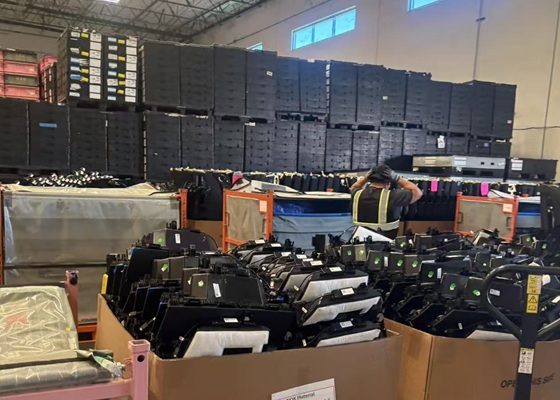
Tier 1 suppliers deliver complete systems and modules directly to OEMs, including seats, bumpers, doors, and battery modules. During parts procurement, assembly, and delivery, EPP packaging is used across much of the logistics chain.
On the inbound side, Tier 2 suppliers often use EPP trays, returnable containers, and protective dunnage to ship electronic components, molded plastic parts, and other automotive parts. Once the parts are removed and sent to production, some EPP packaging can no longer be reused due to wear, damage, or changes in part size.
On the outbound side, Tier 1 suppliers also purchase EPP containers and custom dunnage to protect finished modules during delivery to OEM assembly lines. For example, an EPP protective package for automotive door systems may cost around 25 euros per piece. After repeated handling and transportation, these packages can crack, deform, or become unsuitable for reuse.
As discarded packaging accumulates, large volumes of EPP waste may build up in warehouse corners, loading areas, or auxiliary production zones. This takes up valuable space, affects internal logistics, and creates challenges for 5S management.
Stop Paying to Remove Used EPP Packaging
GREENMAX is currently working with a German Tier 1 supplier that serves more than 80 automotive customers and mainly produces door systems. Due to long-term use of EPP protective packaging, the company has accumulated around 35 tons of used EPP packaging in its facility.
The customer contacted nearby recyclers and was offered only a paid collection service. From the customer’s point of view, this was not reasonable: each EPP package had already cost about 25 euros to purchase. Even if the waste did not generate profit, it should not create another disposal cost. After learning that recyclers could resell the collected material, the customer became more interested in building its own EPP recycling process.
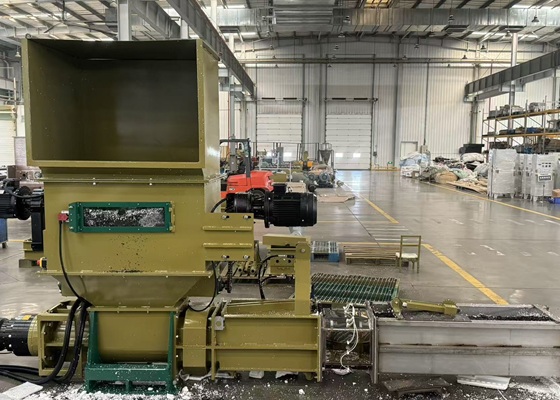
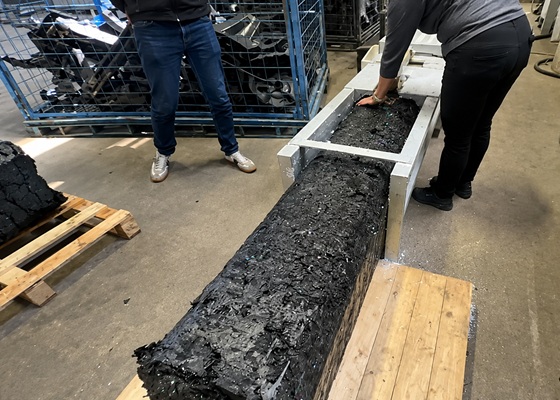
For this situation, GREENMAX recommends using a professional foam compactor. The used EPP packaging can be shredded, compacted into blocks, and then sold to downstream PP product manufacturers or bought back directly by GREENMAX. Compared with loose packaging, compacted EPP blocks are easier to store in the plant and much more efficient to transport by truck. This helps Tier 1 suppliers reduce space usage while building a more economical expanded polypropylene recycling process.
From Waste Handling to EPP Recycling Value
Once the problems of EPP waste buildup and disposal cost are clear, the key question becomes how to recycle and reuse the material without adding extra operational burden. To meet the need for space savings, lower hauling costs, and environmental compliance, GREENMAX provides a practical EPP recycling solution.
1. Selecting the Right Recycling Equipment
GREENMAX recommends the Zeus series cold-press EPP foam densifier. The equipment uses a screw system for physical shredding and compression, reducing loose EPP foam to about 1/50 of its original volume.
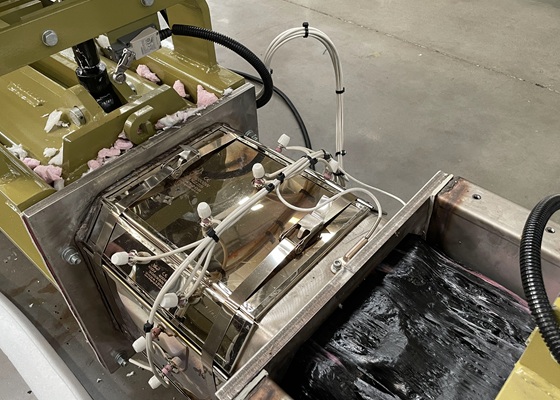
To prevent compacted blocks from loosening during transportation between facilities, the Zeus series foam compactor includes a surface heat-sealing function. The surface of the block is lightly heated and quickly stabilized, while the inside of the material is not fully melted. This helps preserve the physical properties of EPP.
At the same time, the screw compaction structure has relatively low energy consumption, helping reduce daily operating electricity costs.
Cold-pressed EPP blocks are well accepted in the European downstream market, with a current stable purchase price of approximately 400 euros per ton. GREENMAX can also provide direct buyback service for compacted EPP blocks, helping Tier 1 suppliers shift from “paying for disposal” to “recovering material value” without having to find downstream buyers themselves.
2. Clear and Measurable Return on Investment
GREENMAX has already delivered expanded polypropylene recycling solutions for multiple customers in Europe. In real applications, customers can reduce fixed monthly EPP hauling costs while earning revenue from compacted block sales. In many cases, the equipment investment can be recovered within 1–2 years.
For a more accurate ROI estimate, customers only need to provide their average monthly EPP waste volume. GREENMAX can help calculate equipment cost, electricity usage, logistics cost, block selling price, and other key figures, then provide a transparent ROI sheet before the purchase decision.
3. Real Customer References in Europe
GREENMAX has reference customers in multiple European regions, including the Frankfurt area in Germany, Central Bohemia in the Czech Republic, and southern Poland. Some equipment has been running reliably for 12 years.
If needed, GREENMAX can help arrange visits to nearby customer facilities, allowing potential buyers to see the EPP foam densifier in operation, check the quality of the compacted blocks, and better understand the actual recycling process before making a decision.
A Complete Solution for Turning EPP Waste into Value
EPP packaging remains essential to the automotive supply chain, but the way used packaging is handled can change. For automotive Tier 1 suppliers, building an EPP recycling process is not only about reducing waste volume and hauling costs. It is also a way to bring packaging waste into a broader circular economy strategy.
GREENMAX provides more than a foam compactor. It offers a complete EPP recycling loop, including equipment selection, ROI calculation, downstream recycling, block buyback, and real customer references. This helps Tier 1 suppliers turn a waste cost into a material value stream without adding extra labor burden, while also supporting PPWR compliance and OEM ESG audit requirements.
If your facility is dealing with accumulated EPP packaging waste, contact GREENMAX to get a customized solution for your plant.