 Select Language
 English
 Spanish
 Polish
 Japanese
 Italian
 French
EPS Densifier vs. Compactor: 90:1 Compression for Higher Efficiency and Profit
In the field of Styrofoam recycling, many companies initially choose cold compaction equipment for volume reduction. However, with business expansion and economic benefits in mind, more companies are turning to EPS densifiers as a more efficient and profitable solution.
So, compared to a traditional Styrofoam compactor, what are the advantages of a Styrofoam densifier? And what value does it bring to recyclers and downstream buyers?
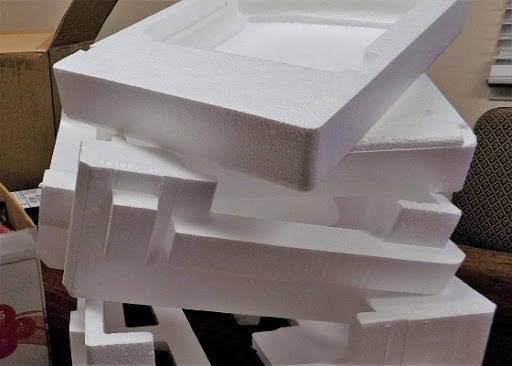
EPS Densifier Enables Deeper Compaction
• Higher compression ratio: A Styrofoam densifier can compress foam to 1/90 of its original volume, compared to about 1/50 with a standard cold compactor.
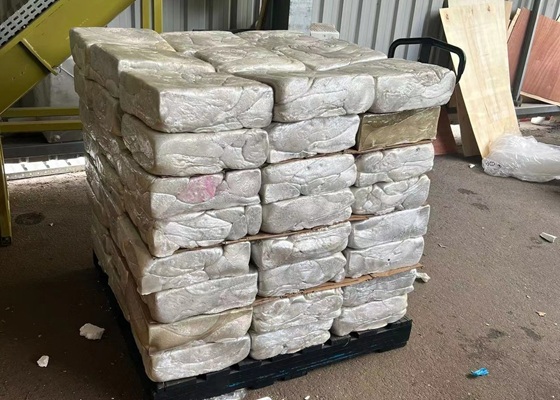
• Greater density: Melted EPS blocks can reach a density of 600–800 kg/m³, significantly improving storage and transport efficiency.
• Smaller, more uniform output: Melted EPS blocks are easier to stack, pack, and load, making them ideal for full-container shipping.
As a result, a single truckload of hot-melt blocks carries far more value and weight than cold-compacted foam. This dramatically lowers unit transport costs in Styrofoam recycling, increases profit margins for pelletizing plants, and drives stronger demand from downstream buyers.
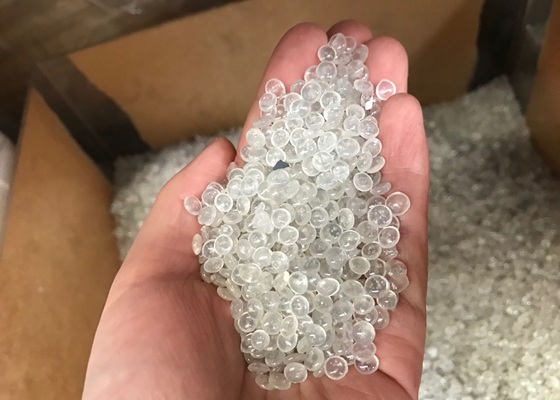
Downstream Buyers Prefer Hot-Melt Styrofoam Blocks
• Higher pelletizing efficiency: Hot-melt material not only reduces logistics costs but also boosts output efficiency due to its higher density.
• More consistent quality: Melted EPS blocks are uniform in shape, low in moisture, and low in impurities—ideal for long-term storage with less risk of oxidation or water absorption.
• Lower transport and storage costs: High-density material means less warehouse space and faster turnover.
For long-term supply chain partners, using an EPS densifier allows you to offer raw materials with higher profit and efficiency, leading to stronger bargaining power and customer loyalty.
Styrofoam Recycling Made Simple, Easy Maintenance
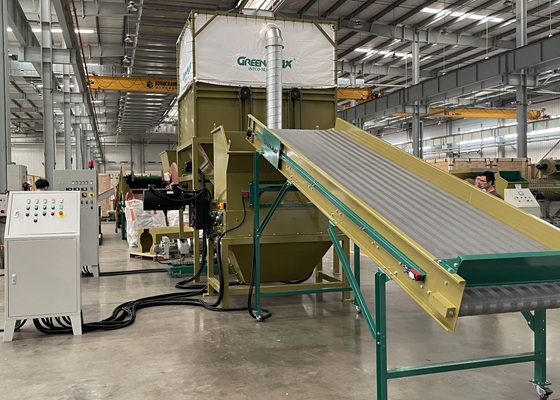
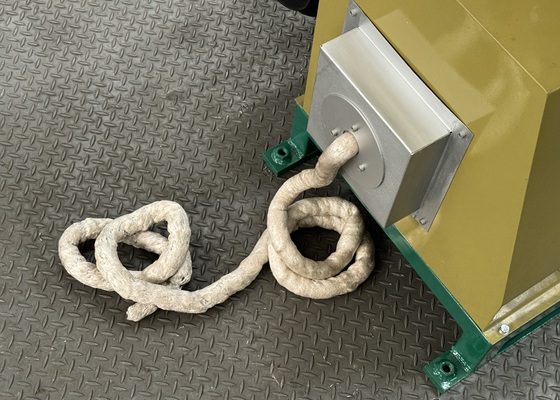
• One-touch start: The GREENMAX Styrofoam densifier supports continuous feeding and features a simple three-stage temperature control, making EPS recycling more user-friendly.
• Low skill requirement: Even front-line workers with no mechanical background can operate it easily, unlike traditional EPS compactors which require more technical handling.
• Easy maintenance: Core components have a long service life and are easy to disassemble. There’s no need for frequent replacement of blades, belts, or other high-wear parts.
GREENMAX EPS densifier also supports modular customization, with optional add-ons like crushing, conveying, and auto-cutting—adaptable to the practical needs of various industries.
Summary: EPS Densifier = Higher Profit + Stronger Downstream Competitiveness
In the Styrofoam recycling industry, the core of competition lies in “who can deliver higher-quality raw material to downstream buyers at lower cost.”
Choosing a Styrofoam densifier is a key step toward higher density, greater efficiency, and increased value.
If you're looking for a more profitable EPS recycling model—or aiming to supply more competitive block material to pelletizing plants—discover the benefits of the GREENMAX hot-melt recycling solution.