 Select Language
 English
 Spanish
 Polish
 Japanese
 Italian
 French
Farm Box Polystyrene Recycling: GreenMax’s Solution for a Sustainable Agricultural Future
In modern agriculture, EPS foam farm boxes are widely used for harvesting, transporting, and preserving fruits and vegetables thanks to their light weight, insulation, and moisture resistance. However, because they’re used directly in the fields, they often pick up dirt, debris, and plant residues, becoming typical “dirty” materials that are harder to recycle.
But it’s important to note this:
These seemingly discarded boxes can still be turned into high-quality recycled materials through proper polystyrene recycling processes. The recycled material can be used not only to produce new farm boxes, but also to make insulation boards and other building materials.
With environmental regulations in Europe becoming increasingly strict—especially regarding required recycled content—building an efficient, end-to-end EPS farm box recycling system has become urgent.
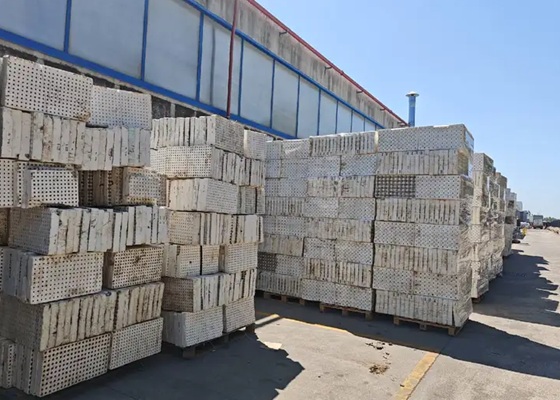
For regular EPS packaging, such as electronics packaging, using an EPS compactor is enough to turn loose waste into dense, sellable blocks, which typically sell for around $580 per ton. But how should we handle farm boxes that contain dirt and other contaminants?
GreenMax recommends adding a simple pre-washing setup before the EPS compactor, or installing a full washing recycling machine to clean the material and ensure it meets the cleanliness requirements needed for proper polystyrene recycling.
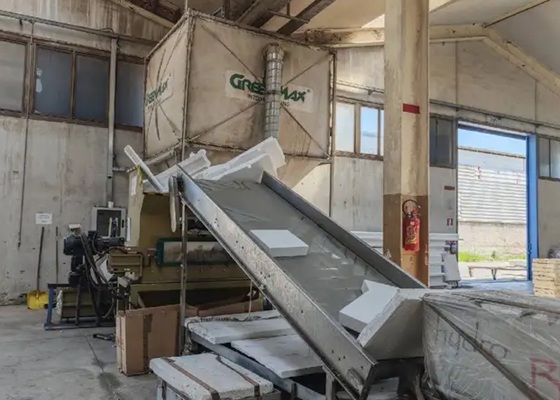
1. Polystyrene compactor with a washing setup — suitable for lightly contaminated waste
For waste with mild contamination, a simple rinse and wash can remove most dirt and help improve the quality of the compressed blocks. GreenMax EPS compactor Apolo Series is well-suited for handling this type of wet material, including washed farm boxes and fish boxes.
The machine compresses EPS through a screw mechanism without heating, which prevents odor and achieves a 50:1 volume reduction — an environmentally friendly solution. We’ve also upgraded the compaction chamber to stainless steel to better resist moisture and extend the machine’s lifespan. In addition, a melt-monitoring system is included to detect abnormal temperature spikes caused by excessive screw pressure, preventing material melting and ensuring efficient polystyrene recycling.
By compressing the cleaned waste, the final high-density blocks become significantly cleaner and higher in quality, making them easier for downstream pelletizers to accept and giving sellers more market options.
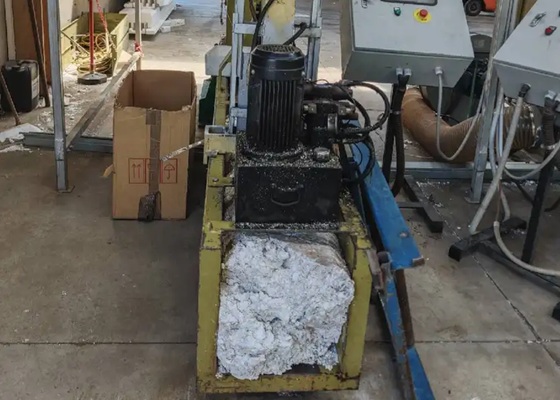
2. Washing recycling machine — ideal for large volumes and heavily contaminated waste
For recyclers handling large quantities of heavily contaminated farm boxes, GreenMax recommends investing in a dedicated washing system. A professional washing system delivers higher cleanliness levels that meet downstream pelletizers’ requirements, allowing recyclers to sell EPS compressed blocks in bulk at higher prices and improve overall profitability.
The washing recycling machine comes with a water-circulation system that effectively removes dirt and impurities while significantly reducing water consumption through its closed-loop design — making it both eco-friendly and cost-efficient.
Once cleaned, the recycled EPS farm boxes have higher purity and stronger market acceptance, which improves the sustainability and revenue potential of the recycling operation.

Contributing to sustainable agriculture
EPS farm box recycling has long been overlooked, but today, as sustainability becomes a priority, promoting polystyrene recycling in agriculture is not only a regulatory requirement — it’s an industry responsibility.
With GreenMax EPS compactors and washing recycling machines, you can turn farm boxes from “waste” into valuable recycled resources. This not only increases profits, but also supports the growth of a circular economy.
If you’re looking for an efficient, reliable, eco-friendly, and more profitable solution for recycling EPS farm boxes, GreenMax is a partner you can trust.