
 Select Language
 English
 Spanish
 Polish
 Japanese
 Italian
 French
How to Build a Commercial Styrofoam Collection Program
A commercial Styrofoam collection program becomes much easier to manage once the volume problem is addressed. Loose EPS foam is lightweight but fills containers, storage areas and collection vehicles quickly. If it is transported in this form, much of the cost comes from moving air rather than recyclable material.
Commercial EPS waste is commonly generated by appliance and electronics retailers, furniture stores, distribution centers, manufacturers, construction suppliers and cold-chain operations. These businesses often receive products in protective foam packaging and may produce a fairly consistent volume each week.
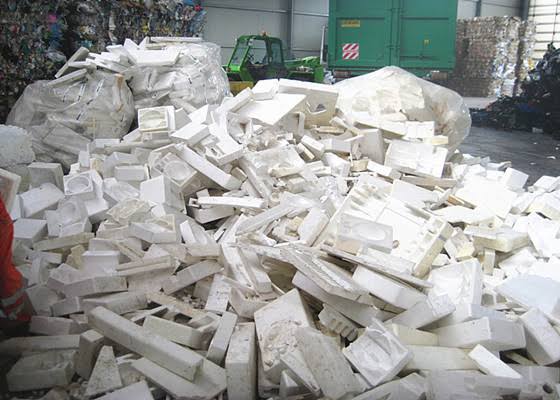
A collection program usually works best when it begins with several regular generators located within a practical service area. Before adding a site, the collector should estimate how much foam it produces, how quickly the storage container fills and how often a pickup is currently required. A short trial can provide the figures needed to plan the route. Weekly foam weight, occupied storage space, pickup frequency and transport cost are more useful than the number of individual pieces collected.
Planning Pickups Around Foam Volume
EPS collection is usually limited by volume rather than weight. A container may appear full even though the material inside weighs very little. This can lead to frequent pickups, partially loaded vehicles and high transportation costs.
Collection frequency should therefore follow the available storage space and the rate at which each site generates foam. Large distribution centers may need scheduled pickups, while smaller businesses can share a drop-off point or request collection only when their container is full. The storage method should keep the foam contained and make loading straightforward. EPS should also be kept separate from other waste streams so that it can move directly into the volume-reduction process after collection.
Why Loose Styrofoam Needs Densification
Transporting loose EPS may be workable when the distance is short and the volume is small. As the collection program grows, however, the number of trips and the amount of storage space required can quickly become uneconomical.
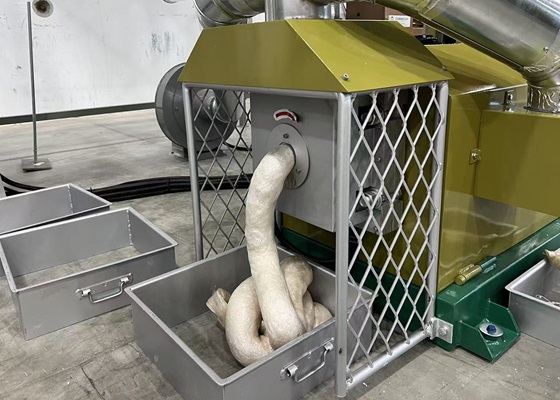
A hot-melt foam densifier changes the way the material is handled. The machine crushes the collected EPS, heats it and extrudes it into dense ingots. A GREENMAX foam densifier can reduce the original foam volume by up to 90:1.
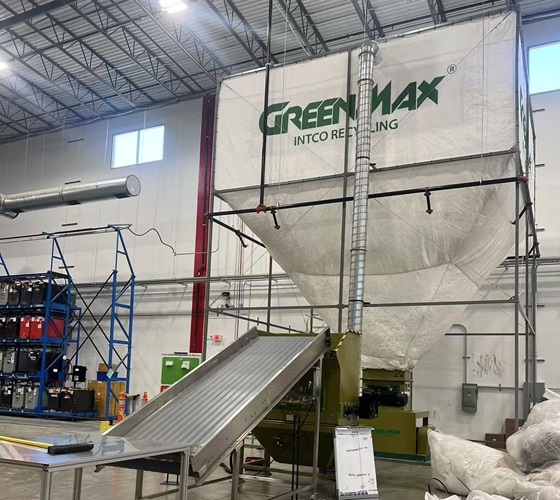
This allows a collection site to accumulate more EPS without filling its storage area. It also increases the material weight carried in each shipment, reducing the number of vehicles needed to move the same amount of foam.
Using a Foam Densifier in the Collection Program
The capacity of the densifier should match the amount of foam arriving at the collection site. If the machine is too small, loose material will continue to build up. If it is much larger than the incoming volume, it may operate for only a few hours each month and take longer to justify financially.
A typical system may include a feeding conveyor, crusher, hot-melt densifier, cooling section and cutting or bagging equipment. The level of automation depends on the daily volume and the amount of manual handling the operator wants to reduce.
For commercial collection centers handling a steady supply of EPS, the GREENMAX foam densifier provides a volume reduction ratio of up to 90:1. The machine turns loose foam into compact ingots that can be stacked and transported by weight.
Moving Densified EPS into Recycling
After densification, the EPS ingots can be shipped to a downstream recycler for crushing and pelletizing. The recycled polystyrene pellets can then be used to manufacture picture frames, mirror frames, decorative mouldings and plastic profiles.
INTCO Recycling purchases qualified EPS ingots based on their quality, volume, location and current purchasing requirements. Confirming the downstream outlet before the collection program expands helps keep the material moving rather than accumulating at the processing site.
Before choosing a machine, measure how many kilograms of EPS are collected each week and how much floor space the loose foam occupies. These figures provide a practical basis for selecting the processing capacity and estimating the savings in storage and transportation.
FAQ
1. When should a collection program use a foam densifier?
A densifier becomes useful when loose EPS regularly fills the storage area or requires frequent transportation. Weekly volume, collection distance and current disposal costs should guide the decision.
2. How much can a foam densifier reduce Styrofoam volume?
A GREENMAX hot-melt foam densifier can reduce EPS volume by up to 90:1. Actual performance depends on the density and condition of the incoming foam.
3. What happens to Styrofoam after densification?
The densified EPS is transported as compact ingots and processed into recycled polystyrene pellets. These pellets can be used to manufacture mouldings, frames and other rigid plastic products.