
 Select Language
 English
 Spanish
 Polish
 Japanese
 Italian
 French
How to Choose Foam Densifier for Your Foam Waste Volume
Monthly foam waste weight is a useful starting point when choosing a foam densifier. It tells you how much material needs processing, but the hours available to handle it determine how quickly the machine needs to work.
A warehouse clearing large EPS packaging during a short daily processing period may need a higher hourly capacity than a manufacturer processing offcuts throughout the day. Before comparing equipment, look at both the waste quantity and the routine your team can realistically follow.
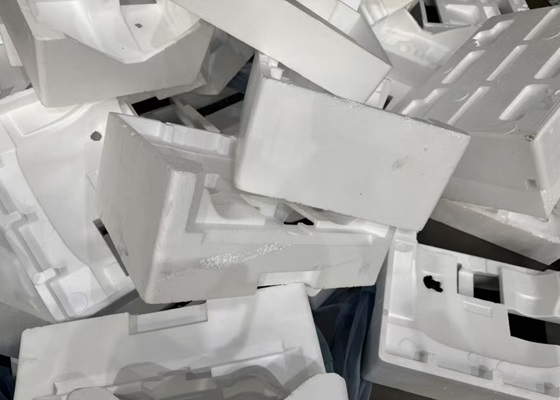
Start with Weight and Available Processing Hours
Bags and containers help show how much storage space loose foam occupies. For equipment selection, weigh the material as well. A bag of small offcuts can hold a different weight from one filled with large, irregular packaging pieces.
Record the amount generated over several representative working weeks. Include a busy period if deliveries or production levels cause noticeable changes. For example, a facility generating 10,000 kg of foam per month over 20 working days needs to process around 500 kg a day. If the team has two hours available, the machine needs to average 250 kg/h to clear that amount. With four hours available, the requirement falls to 125 kg/h.
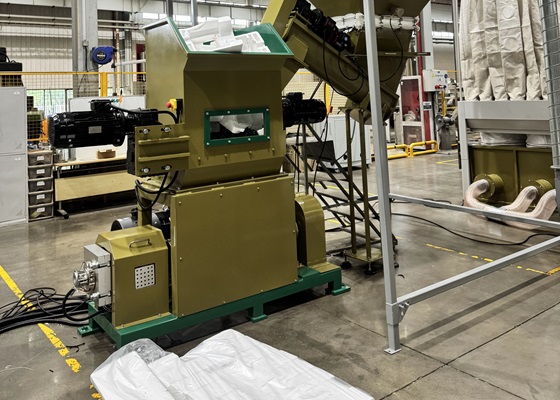
The monthly waste volume stays the same; the shorter processing window calls for higher hourly output. These figures are a starting point for selection. Time spent collecting foam, moving finished ingots and handling feeding interruptions also needs to be allowed for.
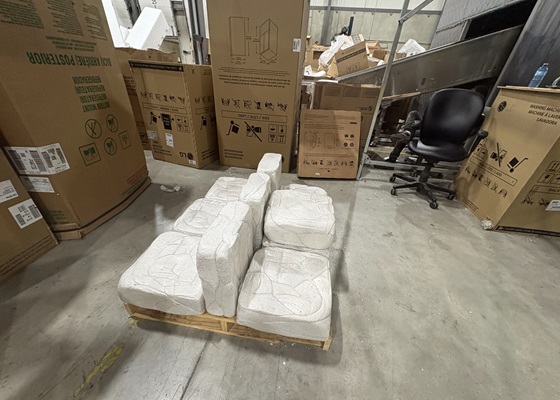
What to Check During a Material Trial
Watch how the foam enters the machine. Large pieces should be included so you can see whether the operator needs to stop frequently to rearrange or prepare the material.
Record the weight processed and the elapsed time, including feeding interruptions. Note the foam type, sample sizes and feeding method alongside the result. This makes the trial more useful when comparing tested output with your daily processing requirement.
Also check how the finished material will be handled. The trial should give you a practical picture of the work involved, from feeding loose foam to moving the output into storage.
For a GREENMAX foam densifier assessment, provide the foam type, monthly weight, busiest-day quantity and available processing hours. Photos of the waste and working area help explain details that a tonnage figure cannot.
FAQ
1. How do I calculate the capacity I need?
Divide the foam weight by the actual hours available for processing. For example, clearing 500 kg in two hours requires an average output of 250 kg/h. Allow for feeding interruptions and check whether busy days create a higher requirement.
2. Is monthly foam waste volume enough to choose a densifier?
Monthly volume should be considered together with the processing schedule. The size of individual batches and the space available to hold loose foam also affect how quickly the material needs to be cleared.
3. Does the same capacity apply to every foam type?
Do not assume it does. Confirm the material and conditions behind the quoted rating. A trial using representative samples helps assess the output achievable with your own waste.