 Select Language
 English
 Spanish
 Polish
 Japanese
 Italian
 French
Turning Loose Styrofoam into Compact, Recyclable Ingots
Unpack a shipment of furniture, appliances or electronics and you’ll usually find Styrofoam protecting it at every corner. The material does its job well. The trouble starts once the packaging comes off, because that foam now needs somewhere to go.
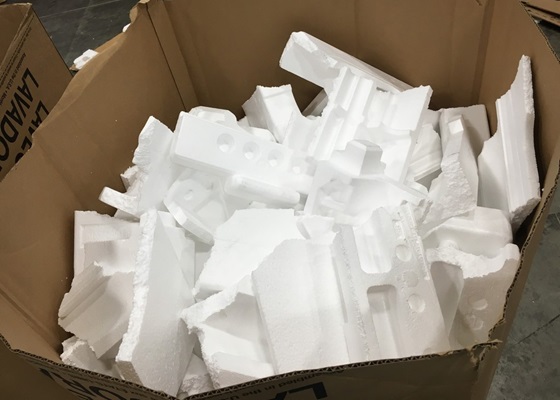
Loose Styrofoam is mostly air, so it fills space quickly while weighing very little. Businesses end up paying for bins and trucks based on the room it takes up, not the value it holds. A styrofoam densifier changes that. It heats and compresses the loose material into dense blocks called ingots, which are far easier to stack, store and send off for recycling.
From Loose waste Foam to Ingots
A densifier handles this by feeding the loose packaging through a crushing and heating section. The foam is softened and compressed, then extruded and cut into solid blocks. Depending on the machine and the material, the volume can be reduced by up to 90:1, turning a large pile into a small, tidy stack. The output is also more consistent than loose foam. Clean, evenly sized ingots are easier for downstream plants to feed into a granulator, and they hold their shape well during storage and loading. For a recycling business or a manufacturer that produces its own foam, that consistency makes the material easier to sell.
Logistics Company Turns Foam into a Resource
Sohnen Enterprises, which handles returned goods for major U.S. retailers and brands, saw this problem first-hand. The company repairs and repackages returned electronics at its facility, and the discarded packaging steadily piled up.
Sohnen was accumulating around 20,000 to 30,000 pounds of EPS every month. At first the foam was sold to buyers at a low price, but as volume grew, the company decided to take control of the process. GREENMAX designed a customized Styrofoam densifier to match the size of the facility and the amount of foam it handled.
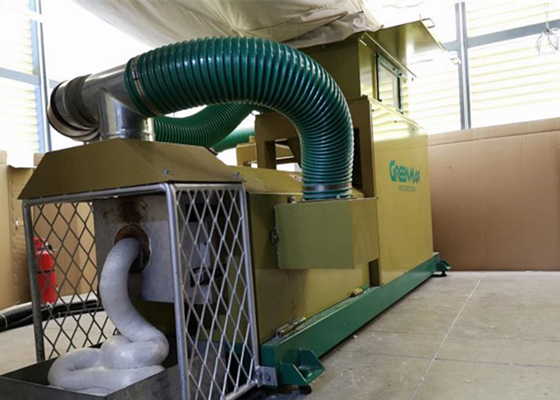
Once the machine was running, GREENMAX began purchasing the recycled EPS ingots. Instead of storing loose foam or selling it cheaply, Sohnen could recover more value from the material and keep its warehouse workable. It’s a good reminder that the right machine doesn’t just shrink the waste—it changes what that waste is worth.
Find the Right Styrofoam Densifier
A Styrofoam densifier is a better fit for some operations than others. Clean packaging foam and production scrap work well, while wet or heavily soiled foam may need extra sorting first. The machine should also match the volume a business actually handles, not just its peak output.
Before choosing, it helps to know where the ingots will go. If a recycler will buy them, consistency matters more than absolute speed. A supplier who understands both the material and the downstream market, like GREENMAX, can help pick equipment that turns loose Styrofoam into something genuinely useful.
Turning loose Styrofoam into compact ingots is one of the simplest ways to improve how businesses deal with packaging waste. The foam becomes easier to manage, cheaper to move and more attractive to recyclers, giving it a real second life.