 Select Language
 English
 Spanish
 Polish
 Japanese
 Italian
 French
Urban Cleanup After the World Cup | Beer Cans → Recycled Aluminum Blocks
When the Game Ends, the City Starts Its Real “Extra Time”
The 2026 World Cup will bring matches to multiple major U.S. host cities, from Los Angeles, Dallas and Atlanta to New York/New Jersey, Miami and Seattle. On game days, cities will be filled with fans, sports bars, outdoor viewing areas and parking lot tailgate parties.
When the final whistle blows, the cheers outside sports bars, fan zones and stadium parking lots may still be echoing, but the ground is often already covered with empty beer cans and aluminum beverage cans. Bud Light, Coors Light, Coca-Cola, Monster and other aluminum cans may be mixed with napkins, plastic cups and takeout packaging, creating a major cleanup challenge after the crowd leaves.
During the game, sports bars, fan zones, parking lot tailgates and street food areas may stay busy late into the night. Beer, soda and energy drinks are opened one after another. After the game, what is left behind is often another scene: overflowing trash bins, sticky pavement, empty aluminum cans on sidewalks and beer residue that can quickly create unpleasant odors in hot weather.
For World Cup host cities, post-game cleanliness is directly tied to city image. Fans should remember the excitement of the match and a clean, well-managed city, not streets covered with empty cans and strong odors.
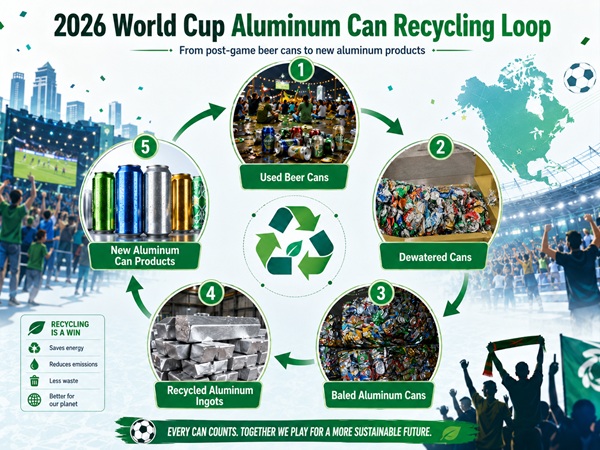
The Recycling Opportunity Behind the World Cup
The World Cup is not only a soccer event. It is also a major stage for brands, sponsors, host cities and environmental service providers.
For beverage brands, the ideal image is that fans remember the energy of the event and the strength of the brand, not media photos showing streets full of beer cans, trash bags and messy public areas.
For recyclers in host cities, aluminum can collection during the World Cup is more than a temporary cleanup job. It can become a valuable business opportunity.
If recyclers can provide a clear and efficient beer cans recycling solution, they can serve three needs at the same time: help municipalities clean streets faster after games, support beverage brands in packaging recovery and ESG commitments, and sell processed aluminum cans to downstream aluminum facilities for recycling value.
For recyclers, this is not simply “collecting trash.” It is a chance to turn event waste into city service, brand cooperation and additional revenue from recycled aluminum.
Dewatering First: A Key Step for Wet Beer Cans
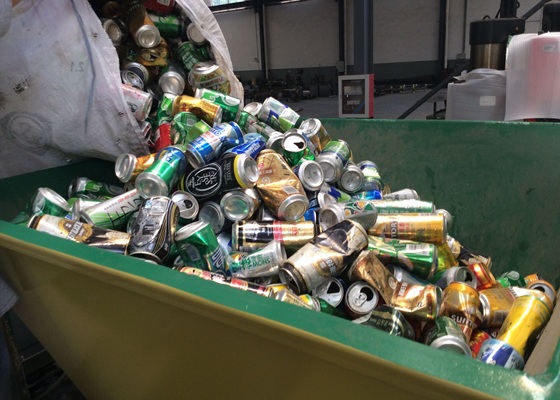
In World Cup scenarios, aluminum can recycling faces a very practical problem: many cans are wet.
At sports bars, fan zones, tailgate parties and street events, many beer cans still contain beer residue, soda, melted ice or mixed liquids. Compared with regular recycling operations, the moisture content of cans collected during large events can be much higher.
If these cans are bagged, stored or transported directly, the remaining liquid can leak onto the ground, contaminate collection areas and create odors in hot weather. This increases cleaning pressure and affects the public image of the event.
That is why beer cans recycling should start with aluminum can dewatering. By removing and collecting beer, soda and other residual liquids into a designated container, recyclers can reduce leakage, odors and secondary cleanup work.
Once the cans are dewatered, bagging, compacting and transportation become much cleaner and easier. For recyclers, this improves on-site efficiency and helps the material enter the aluminum recycling stream more smoothly.
The Right World Cup Aluminum Can Recycling Process
Step 1: On-Site Collection
Recyclers can set up temporary collection points in fan zones, stadium exits, sports bar districts and tailgate areas. Staff or volunteers can guide fans to place empty cans into designated bins, reducing scattered waste on streets and sidewalks.
Good collection at the beginning helps reduce disorder, speeds up post-game cleanup and improves the quality of recovered aluminum cans.
Step 2: Aluminum Can Dewatering
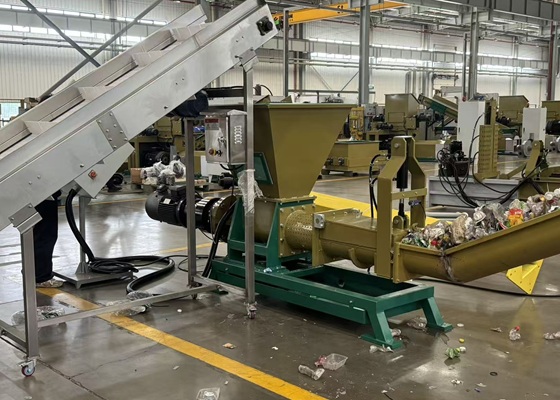
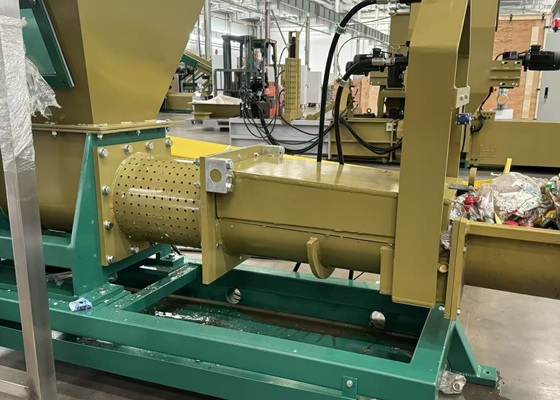
The collected cans can be fed directly into a GREENMAX dewatering compactor, which can achieve up to 90% dewatering.
The compression chamber is designed with evenly distributed holes around the cylinder, with a stainless steel liquid collection tray underneath. During screw compression, residual beer, soda and other liquids are squeezed out through the holes, collected in the tray and then discharged into a designated container for centralized handling.
This solves two key problems. First, it reduces liquid leakage, ground contamination and odor, helping municipalities maintain a cleaner city image. Second, the dewatered cans are cleaner and easier to bag, transport and process later.
Step 3: Volume Reduction + Bagging or Baling
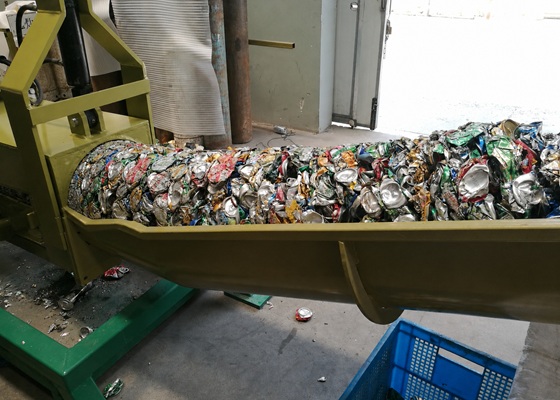
While completing aluminum can dewatering, the dewatering compactor can also reduce can volume by about 10:1. Loose aluminum cans that may fill a small truck can be compacted and bagged into only a fraction of the original volume.
If recyclers want to further improve transportation and storage efficiency, they can connect a baler after the compactor and press the cans into 300–500 kg aluminum can bales. This makes storage, container loading and selling to aluminum recycling facilities more efficient.
Recyclers Are the “Urban Cleanup Team” of the World Cup
During the World Cup, beer cans recycling is more than a business.
When recyclers remove aluminum cans from streets, they help fans, sports bars and food vendors solve an immediate waste problem. They also help beverage brands move closer to packaging recovery and sustainability goals.
When recyclers complete aluminum can dewatering properly, they prevent beer residue from leaking onto pavement, creating odors and increasing cleaning work. This also helps cities maintain a better public image during a global event.
When recyclers compact cans and sell them to downstream aluminum facilities, those cans can return to the aluminum cycle and become raw material again. In this way, aluminum can recycling becomes more than post-event cleanup. It becomes a real value chain.
The World Cup will end, but urban cleanup, packaging recovery and aluminum recycling will continue. For recyclers in the U.S. market, preparing an aluminum can recycling plan in advance and using the right dewatering compactor can turn empty beer cans into a long-term recycling business opportunity.
FAQ|GREENMAX Dewatering Compactor
1. How does the GREENMAX dewatering compactor discharge liquid from beer cans?
The screw system compresses the beer cans, forcing residual liquid out of the compression chamber. The liquid then flows into a stainless steel collection tray underneath the machine. The tray can be connected to a pipe or container for centralized liquid handling.
In addition, the inclined discharge outlet helps liquid flow back during operation, achieving up to 90% aluminum can dewatering and reducing leakage and odors.
2. After aluminum can dewatering, is baling still necessary?
For World Cup scenarios where beer cans are generated in large volumes within a short time, recyclers can first use one dewatering compactor at temporary collection points to complete dewatering and initial volume reduction.
After that, the processed cans can be bagged and transported to the recycler’s own facility for final baling. This approach can speed up on-site beer cans recycling, reduce equipment footprint and lower operating pressure during large events.