 Select Language
 English
 Spanish
 Polish
 Japanese
 Italian
 French
Beverage can recycling | Dewatering or Baling? How to Choose the Right Aluminum Can Recycling Machine
In the United States, aluminum beverage cans are one of the most valuable materials in the recycling stream. They are lightweight, easy to collect, widely accepted by recycling programs, and have a strong downstream market. From curbside recycling and MRFs to scrap yards, redemption centers, beverage plants and distribution warehouses, beverage can recycling has become an important part of the resource recovery industry.
According to industry data from the Aluminum Association and the Can Manufacturers Institute, 43% of aluminum beverage cans shipped in the U.S. in 2023 were ultimately recycled, while the U.S. industry recycling rate for used beverage cans reached 57%. Aluminum cans also maintain strong closed-loop performance, because recycled cans can be made back into new cans again and again.
This means aluminum can recycling is not only an environmental practice, but also a business opportunity. However, different companies handle different types of materials. Some deal with loose, empty cans from collection programs, while others need to process expired beverages, recalled drinks, damaged inventory or full containers that cannot be sold. That is why choosing the right aluminum can recycling machine is important.
Why compacting aluminum cans matters in the U.S. recycling chain
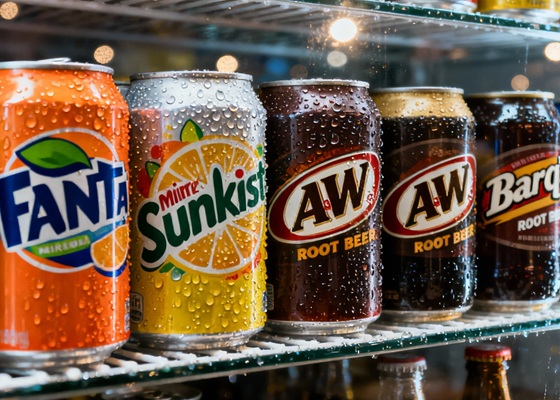
For recycling companies, scrap yards, redemption centers and sorting facilities, aluminum cans are not difficult to recycle. The real challenge is how to collect, sort, compact, store and transport them more efficiently.
Loose aluminum cans take up a lot of space but carry relatively little weight. They can quickly fill gaylords, bins, trailers or warehouse areas. If they are moved manually, labor costs rise. If they are shipped loose, truck loading efficiency is low and transportation costs increase.
In aluminum can recycling, compacting and baling are therefore key steps. By compressing loose cans into dense, uniform bales, recyclers can save storage space, improve truck loading efficiency, simplify handling, and make the material easier to sell to downstream buyers.
Full aluminum beverage cans: dewater first, then compact
In real operations, not all aluminum cans are empty. Beverage manufacturers, distributors, supermarkets, warehouses and brand owners may need to deal with full containers, including expired soda, misprinted cans, damaged packaging, returned products, failed quality inspection batches or beverages that can no longer enter the market.
These materials should not be baled directly like empty cans. If full cans are compressed without removing the liquid, they may cause leakage, odor, floor contamination, pest issues, higher cleaning costs and a messy working environment. For many U.S. companies, this process is also related to product disposal, liquid collection and documentation for unsellable inventory.
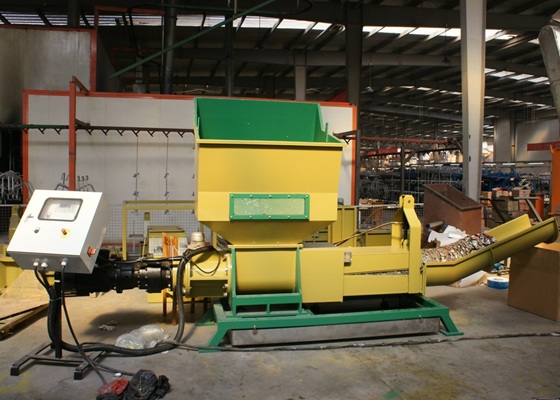
For this situation, GreenMax can provide a dewatering machine for full container destruction. This type of aluminum can recycling machine punctures or crushes the full beverage containers, separates the liquid from the packaging, collects the liquid in a controlled way, and reduces the volume of the aluminum cans by about 10:1 for easier downstream handling.
A dewatering machine is especially suitable for beverage plants, food and beverage warehouses, distribution centers, supermarket logistics centers, product recall handling facilities and companies that need to process expired or non-sellable beverages in bulk.
For these customers, beverage can recycling is not only about compacting aluminum cans. It is also about removing liquid, keeping the site clean, reducing waste volume and preparing the aluminum packaging for further recycling. When the material is full or partially full, dewatering is usually the first step before final recycling.
Empty beverage cans: high-density baling is better for storage and resale
If the material is already empty aluminum beverage cans, the equipment choice is different. In this case, the main issue is volume, not liquid. Empty cans are bulky, difficult to store in large quantities and inefficient to transport when loose.
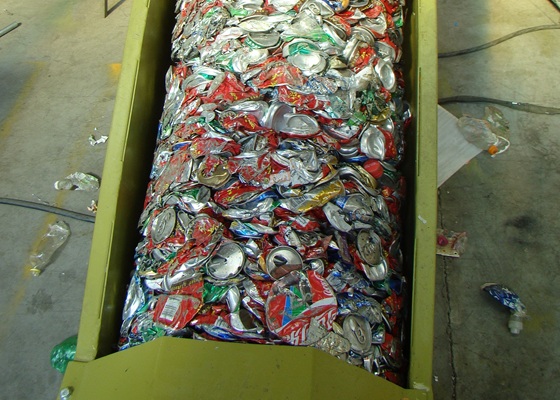
GreenMax baler machine can be used to compact empty soda cans, beer cans, energy drink cans and other used beverage cans into dense, regular bales. Depending on the model and material condition, each bale can reach approximately 660–1,100 lb, or about 300–500 kg.
After baling, aluminum cans are easier to stack, move, load and sell to downstream recycling facilities. This helps improve operating efficiency and reduce logistics costs, especially for companies with continuous daily material flow.
This type of aluminum can recycling machine is suitable for recycling companies, scrap yards, redemption centers, MRFs, community recycling programs, sorting centers and recycling businesses that handle both PET bottles and aluminum cans.
A vertical aluminum can compactor machine is a practical choice for facilities with limited floor space but steady baling needs. It can help improve bale density while keeping the operation more organized. However, it is important to note that a baler machine is mainly designed for empty beverage cans and is not the right choice for directly processing full cans with liquid inside.
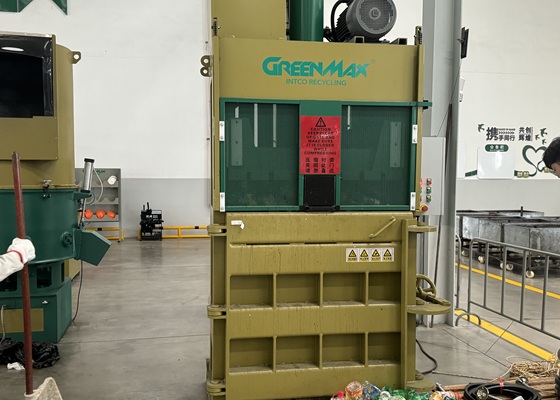
How to choose the right aluminum can recycling machine
For U.S. recyclers, beverage companies and warehouse operators, choosing equipment should not be based only on whether the machine can compress aluminum cans. The most important factor is the condition of the material.
If the main material is expired beverages, full soda cans, returned inventory, recalled products or other unsellable drinks, a dewatering machine is the better option. It solves the liquid removal problem first, keeps the site cleaner and prepares the aluminum packaging for the next recycling step.
If the main material is empty used beverage cans, a baler machine or aluminum can compactor machine is more suitable. It increases bale density, saves storage space, improves transportation efficiency and makes resale easier.
In short, the right aluminum can recycling machine depends on several factors: material source, whether the cans are full or empty, daily processing volume, available floor space, labor conditions, storage needs and downstream sales requirements.
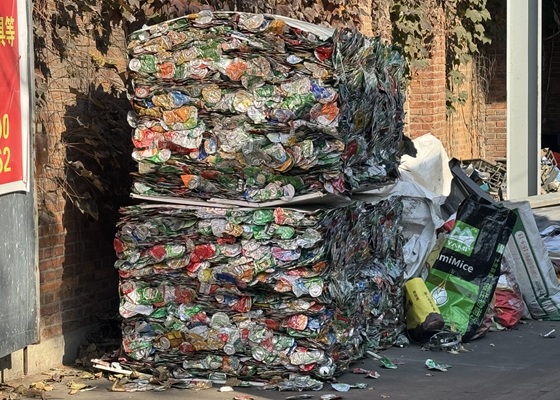
GreenMax supports more efficient beverage can recycling
The U.S. has a well-developed market for aluminum can recycling, but there is still room to improve recovery efficiency. Deposit states, curbside recycling programs, MRFs, scrap yards and beverage companies all play different roles in the recycling chain. The key is to use the right equipment for the right material.
GreenMax can recommend a suitable solution based on the customer’s material type, processing volume, site layout and recycling goals. Whether the customer needs dewatering for full container destruction or baling for empty used beverage cans, GreenMax helps make beverage can recycling cleaner, more efficient and more profitable.
For businesses handling aluminum beverage cans in the United States, the next step is not simply to recycle more cans, but to improve how the cans are processed. With the right dewatering, compacting and baling equipment, companies can reduce waste volume, lower logistics costs, improve workplace cleanliness and create more value from aluminum can recycling.