 Select Language
 English
 Spanish
 Polish
 Japanese
 Italian
 French
Model Changes and ESG Pressure: In-House Volume Reduction and Compliance for Automotive EPP Packaging
Over the past five years, rapid growth in electric vehicle production has increased the use of EPP, or expanded polypropylene, in the automotive supply chain. Custom EPP pallets, inserts, trays, and cushioning components are widely used to protect battery modules, electric motors, bumpers, seats, door assemblies, and other automotive parts during returnable transportation.
As vehicle programs change, large quantities of EPP returnable packaging are being retired. U.S. automakers and Tier 1 suppliers also face growing expectations from customers, corporate sustainability programs, and state or local waste management requirements. Companies supplying vehicles or components to the European market may also need to consider the EU Packaging and Packaging Waste Regulation, or PPWR.
Using an EPP foam compactor to establish an in-house expanded polypropylene recycling process allows automotive companies to convert bulky packaging waste into recyclable material, improve waste control, and maintain clearer records for ESG and supplier audits.
The Challenge of Managing Retired EPP Packaging
Many automotive plants face the same problems:
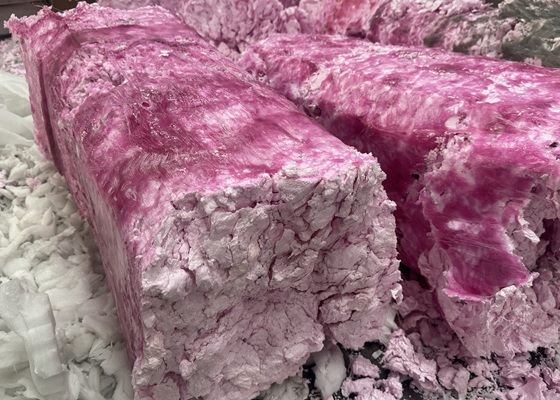
1. When a vehicle program ends, custom EPP pallets and trays often cannot be reused for new parts because their dimensions and internal structures were designed for a specific component. The retired packaging is then stored in warehouses or production areas, taking up valuable floor space.
2. Third-party waste hauling can be expensive because loose EPP is often charged by volume. Some service providers may also be unable to provide complete weight, destination, and recycling records, creating gaps during customer ESG audits or supplier evaluations.
This is becoming a common issue across the U.S. automotive supply chain. EPP returnable packaging is designed for repeated use, but model changes can make custom packaging obsolete before the material reaches the end of its physical service life.
Why Is Loose EPP Difficult to Send Directly to a Recycler?
Automotive EPP packaging is usually lightweight but extremely bulky. A truck can run out of loading space while carrying relatively little material by weight. Collection distance, labor, loading efficiency, and transportation cost all affect whether a recycler is willing to accept loose EPP.
As a result, recyclable EPP may still remain in storage, require paid hauling, or have no practical downstream outlet. Tier 1 and Tier 2 suppliers can address this problem by installing an EPP foam compactor and establishing an in-house expanded polypropylene recycling process.
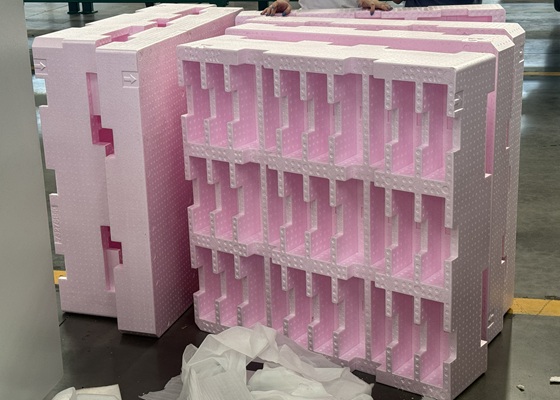
Through shredding and compaction, loose EPP packaging can be converted into stable, high-density blocks. This reduces on-site storage requirements and makes loading, transportation, and downstream recycling more efficient.
How Should Automotive Companies Select an EPP Foam Compactor?
Selecting a foam compactor requires more than comparing rated processing capacity. The size, density, structure, and actual volume of the EPP waste must also be considered.
Large returnable containers, pallets, and thick cushioning parts require a strong and reliable shredding system. The equipment must break large pieces into uniform fragments, prevent bridging or jamming at the feed opening, and maintain consistent material flow into the compaction system.
For dense or rigid EPP packaging, companies should also evaluate the cutter design, screw structure, feeding system, and continuous operating capability.
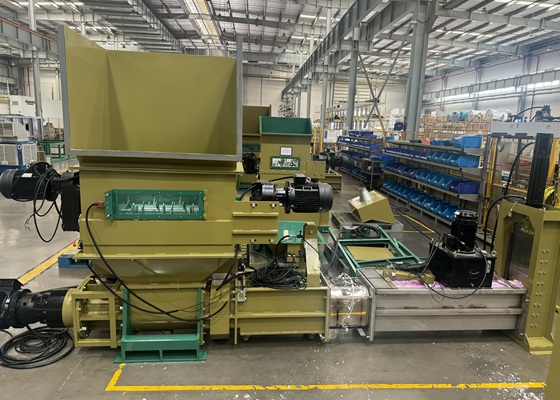
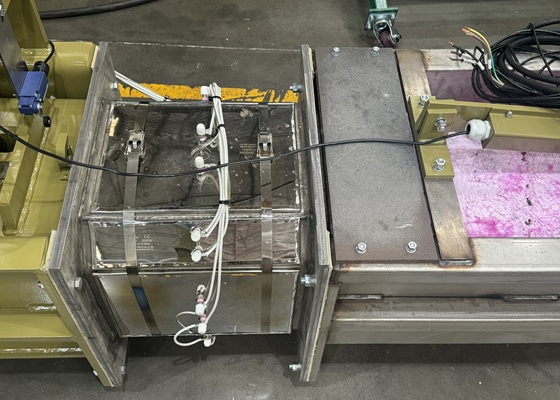
The GREENMAX foam compactor first shreds large EPP packaging and then uses a screw to mechanically compress the material. Surface heat fusion helps stabilize the blocks and reduce loose fragments. The finished material is formed into uniform, stackable blocks with a volume reduction ratio of up to 50:1.
The equipment can be installed in a warehouse, packaging repair area, or centralized waste collection zone, allowing the plant to complete volume reduction before the material leaves the facility.
Before selecting a machine, confirm the following information:
· Monthly quantity, volume, or weight of EPP packaging waste;
· Maximum dimensions of individual packaging components;
· Available floor space and electrical service.
What Problems Can In-House EPP Recycling Solve?
Establishing an in-house expanded polypropylene recycling process provides more than potential revenue from recovered material. It also gives the facility a more stable and controlled waste management process, together with clearer documentation for customer and ESG audits.
Automakers and large Tier 1 suppliers can use an EPP foam compactor to shred retired EPP containers, pallets, and inserts and reduce their volume by up to 50:1. This can free up warehouse, loading dock, and production space while reducing the need for frequent waste pickups.
Processing logs, scale tickets, bills of lading, recycling agreements, sales records, and downstream recycler documentation can help demonstrate how the material was handled and where it was delivered.
During an OEM supplier audit, environmental review, or supply chain assessment, complete sorting, processing, and shipment records provide clearer evidence of the material’s final destination. A working foam compactor and an established EPP recycling process can also provide visiting customers with visible evidence of the plant’s waste management capabilities.
FAQ | Common Questions from Automotive OEMs and Tier 1 Suppliers
1. What information is needed to select an EPP foam compactor?
Confirm the monthly quantity, volume, or weight of the EPP waste, the maximum size of individual packaging parts, available floor space, and electrical requirements. Rated capacity alone is not enough; shredding performance, continuous feeding, and block formation must also match actual operating conditions.
2. Can a foam compactor be installed in a facility with limited space?
Yes. GREENMAX offers the compact Z-C50, with a footprint roughly equal to two large cartons. Its compact discharge section and dedicated shredding system make it suitable for facilities with limited warehouse space, lower processing volumes, or a smaller equipment budget.
3. How should EPP waste movement be documented for U.S. audits?
Record the source, date, weight, processing method, receiving company, and shipment date for each batch. Keep photos, scale tickets, bills of lading, recycling agreements, and receiving confirmations. Requirements for non-hazardous industrial waste vary by state and local jurisdiction. If the material is classified as hazardous waste, applicable RCRA and state hazardous-waste documentation requirements must be followed.